



Insulation Piercing Connector – Working Principle & Types
In 2023, India lost 15% of the electricity it produced because of technical and commercial losses. A large part of this came from power theft.
This is one reason why the debt of India’s power distribution sector reached Rs 70,000 crore in the financial year 2023.
A practical way to reduce this problem is the AB Cable System. It uses important hardware such as Insulation Piercing Connectors. This system helps make power distribution safer and more dependable. It also plays a key role in reducing electricity theft.
In this blog, we will explain Insulation Piercing Connectors in simple terms.
By the end, you will know:
- What an Insulation Piercing Connector is
- Its main applications
- The different types available in the market
What Is An Insulation Piercing Connector?
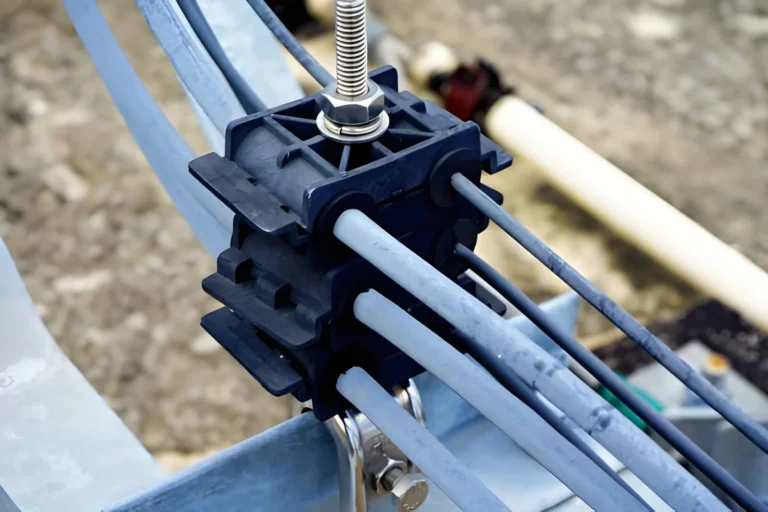
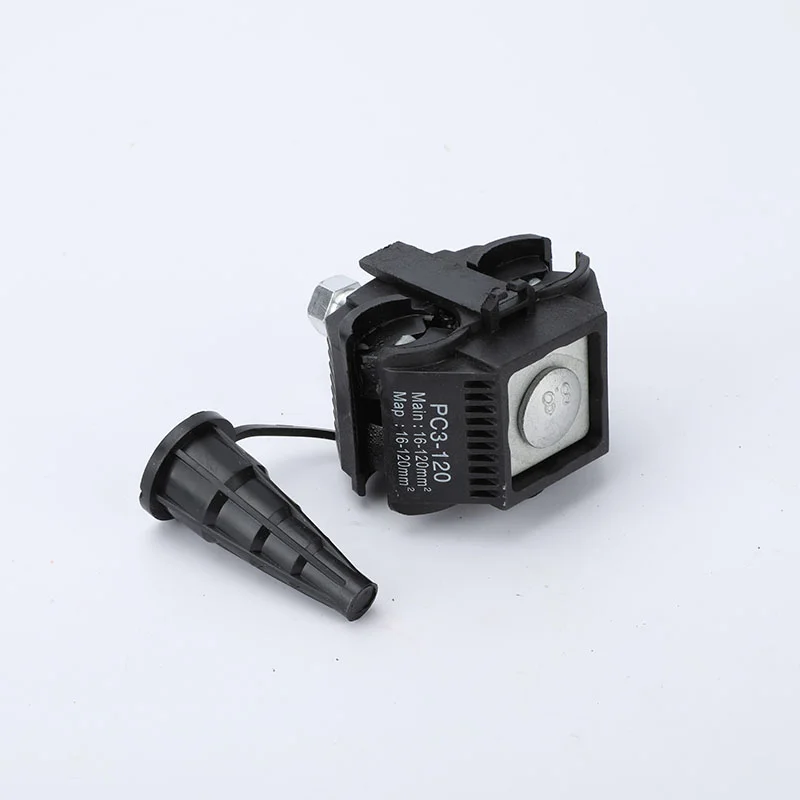
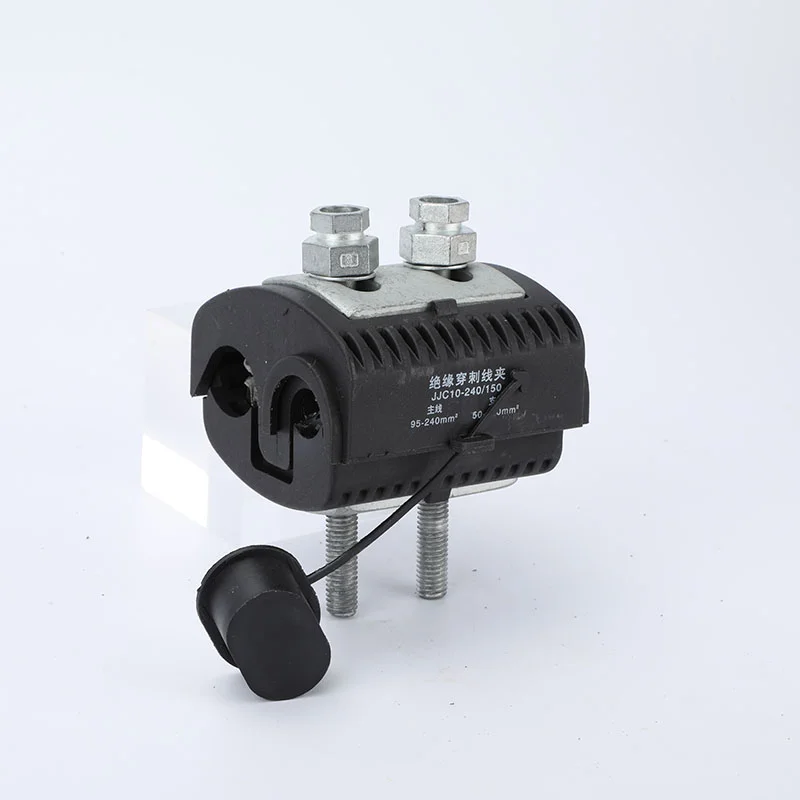
An Insulation Piercing Connector, or IPC, is an electrical connector used to join insulated cables. It works by piercing the cable insulation and making contact with the conductor inside. This creates a safe path for electricity to flow.
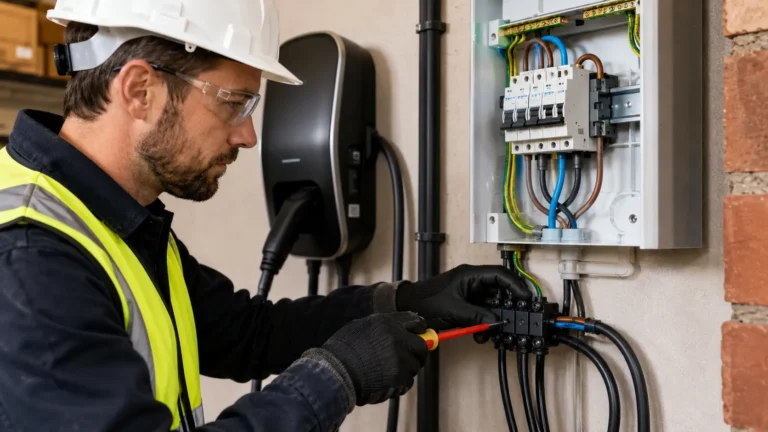
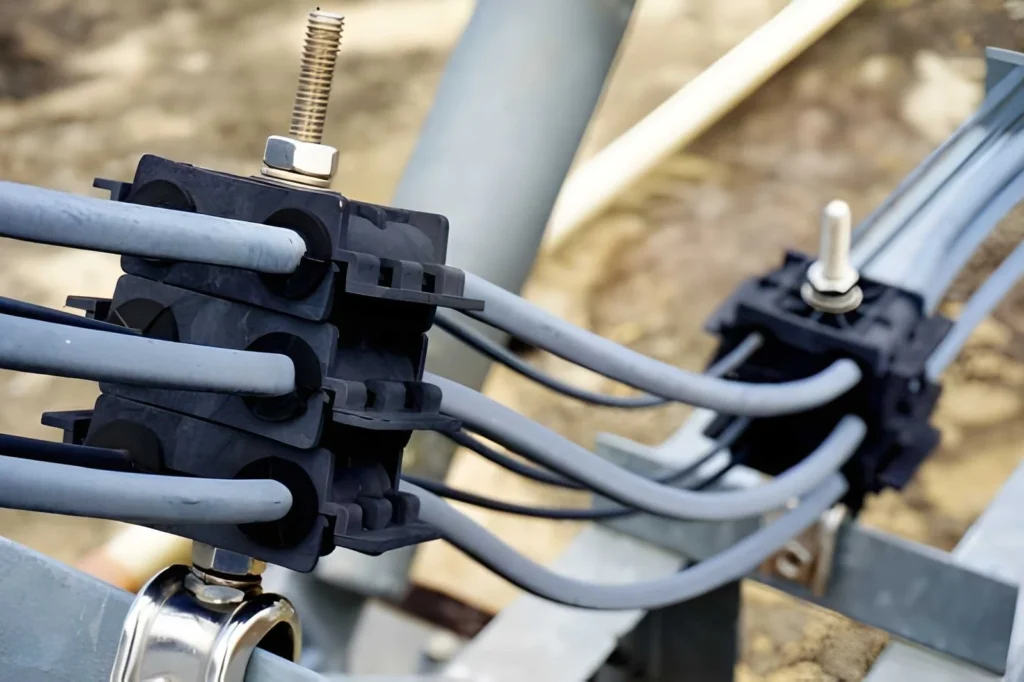
IPCs are widely used in AB Cable systems and other insulated cable networks. They help create tap connections for many purposes. These include extending a power line, distributing electricity, connecting streetlights, and supplying power to homes.
A good Insulation Piercing Connector has a water-resistant design. It seals the connection and helps stop water from entering the cable.
Poor-quality IPCs may allow water to get inside. This can lead to short circuits, corrosion, and damage to the electrical network. In serious cases, it can affect the power system of an entire area.
Another key benefit of IPCs is that they do not require insulation stripping. Installers can make connections faster compared with traditional bare conductor methods. This also makes the system harder to tamper with, helping reduce the risk of power theft.
How Do They Prevent Theft?
Electricity theft usually happens when someone removes the plastic insulation from a cable and attaches a wire to the metal conductor inside. With traditional bare conductors, this is even easier because the metal line is already exposed.
AB Cable systems and Insulation Piercing Connectors make this much harder. In this system, the metal conductor remains covered by its plastic insulation. The IPC only pierces through the insulation at the connection point. It reaches the conductor without fully exposing it.
Once the connection is made, the IPC seals the pierced area. This keeps the metal conductor protected and hidden inside the cable covering.
To access the conductor at any other point, special tools are needed. Only trained utility workers can do this safely. This reduces the chances of tampering and makes power theft much more difficult.
In simple terms, IPCs help protect the cable and make electricity theft harder to carry out.
How Do IPCs Actually Work?
An IPC has several parts that work together to create a secure electrical connection.
At the top, the shear head bolt and nut hold the connector tightly in place. This helps keep the connection firm and reliable for a long time.
The upper body guides the piercing part through the XLPE or PVC insulation of the cable. This allows current to pass from the main line to the tap line.
The waterproof sealing bands, usually in green and pink, protect the pierced area. They form a barrier against moisture and help stop water from entering the connection.
Inside the connector, sharp metal blades pierce the cable insulation. These blades touch the conductor inside the cable and create a metal-to-metal contact. This allows electricity to flow smoothly.
The lower body supports the blade tips and keeps them steady during installation.
At the bottom, another bolt is tightened to clamp the connector firmly onto the cable. This helps prevent the connector from becoming loose over time.
Finally, the end cap covers the cable end after installation. This adds extra protection to the termination point.
Key Applications
Insulation Piercing Connectors are often used instead of junction boxes and T-connection boxes in traditional wiring systems.
In older methods, workers had to cut the main insulated cable, remove the insulation, and join the conductors by hand. This took more time and required more labour.
With IPCs, the main cable does not need to be cut during installation. A branch connection can be made at almost any point on the cable. The process is simple, fast, and does not need special preparation for wires or clips.
IPCs also remove many extra steps used in conventional wiring. These include stripping insulation, tinning, crimping terminals, and wrapping insulation tape. This makes installation cleaner and helps reduce pollution caused by older wiring methods.
Because of these benefits, IPCs are commonly used in:
- Low-voltage insulated wire T-connections
- Building power distribution system T-connections
- Street light distribution systems and common cable branch connections
- Underground grid insulated cable connections
- Branch connections of insulated cables in 1kV distribution systems
- Overhead low-voltage insulated cable connections
Types Of IPCs
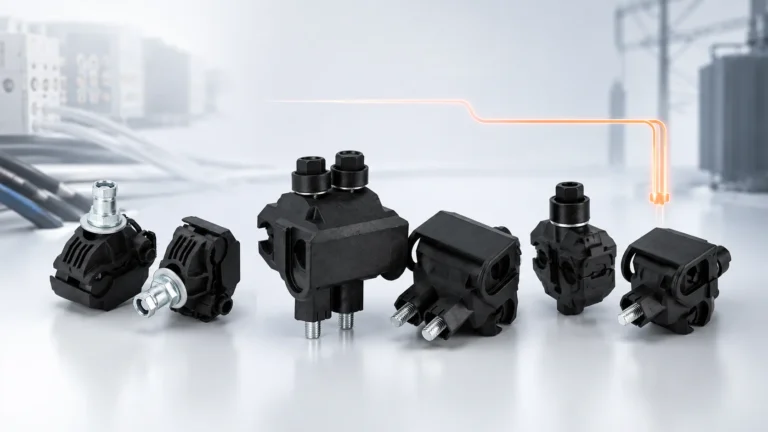
Insulation Piercing Connectors come in different types. Each one is made for a specific use in Aerial Bundled Cable systems. The right type depends on where the connector will be installed and what kind of connection is needed.
| Type of IPC | Main Use | Common Application |
|---|---|---|
| Street Light Connection IPC | Taps power from the main AB Cable | Streetlights and small service lines |
| Multi-Tap Connection IPC | Supplies power to multiple output lines | Household service connections |
| Distribution Box Charging IPC | Connects the main AB Cable to a low-voltage distribution box | Residential supply and street lighting networks |
| Jumper Connection IPC | Connects cables of the same size | T-shaped connections and 90-degree cable turns |
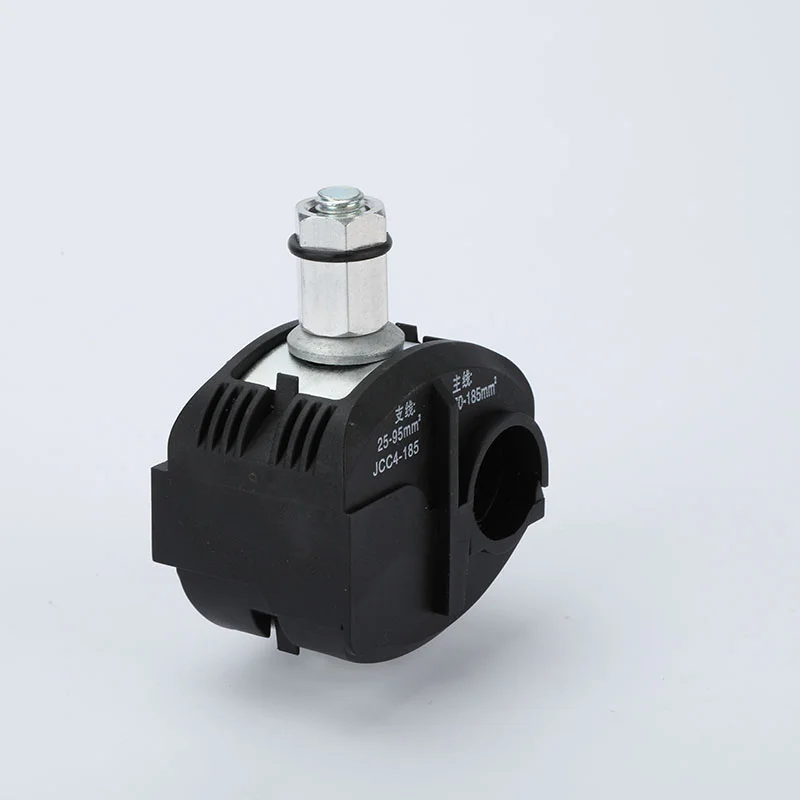
1. IPCs for Street Light Connections
These IPCs are used to take power from the main AB Cable and connect it to a service line. This service line is then used to supply electricity to streetlights or similar applications.
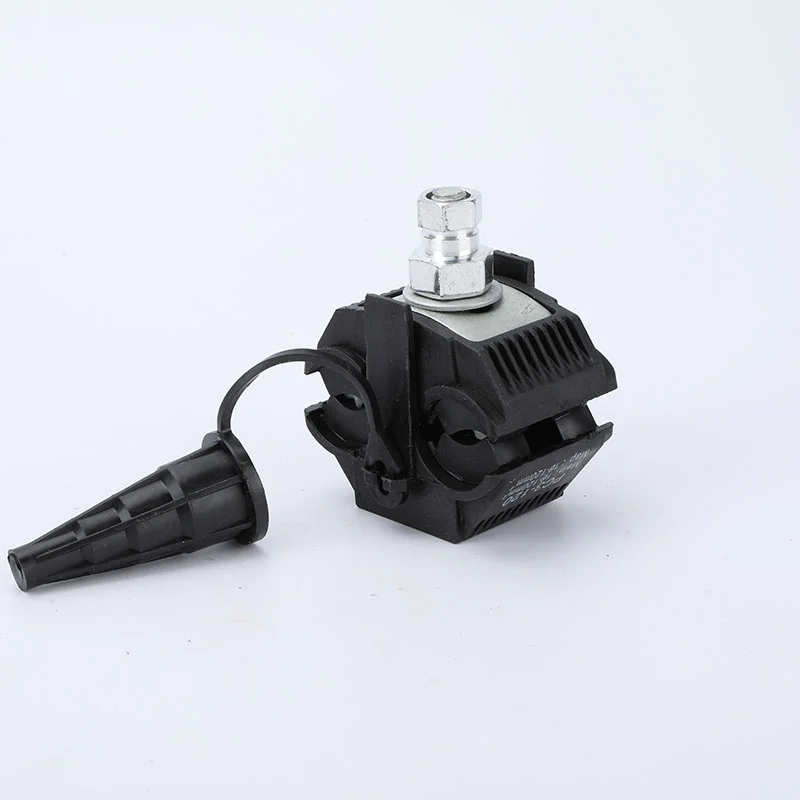
2. Multi-Tap Connection Type
This type is also called a multiport connector or satellite connector. It is used to tap power from the main AB Cable and distribute it to homes.
It is called multiport because one connection from the main line can provide supply to several households.
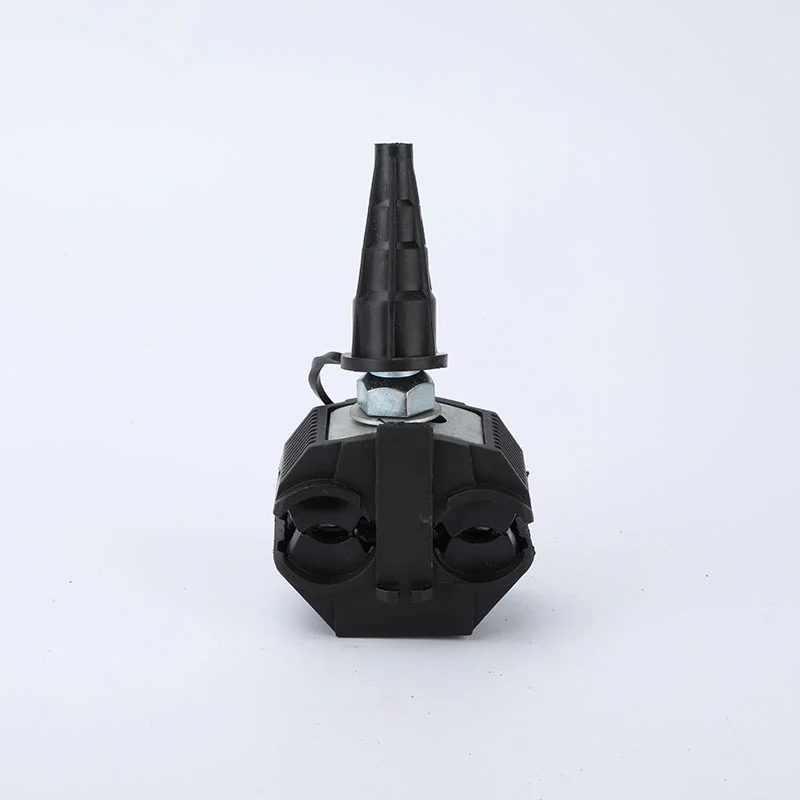
3. Distribution Box Charging Connection
These IPCs are used to connect the main AB Cable line to low-voltage distribution boxes. From these boxes, power can be supplied to different applications, such as residential connections and streetlights.
4. Jumper Connection Type
Jumper connection IPCs are used to connect cables of the same size. They are also helpful for making T-shaped connections, especially where the cable needs to turn at a 90-degree angle.
By now, you should have a clear idea of what Insulation Piercing Connectors are, how they work, and the main types available. There are other types as well, but these four are among the most widely used in AB Cable systems.
Thank you for reading. To request a quote or learn more about our products, visit our product section at https://ggldf.com/product-category/insulation-piercing-connector/
FAQs
Do IPCs require cable insulation to be stripped?
No. One of the main benefits of IPCs is that they do not require insulation stripping. The connector pierces the insulation directly and creates a secure electrical connection.
How do IPCs help reduce power theft?
IPCs keep the metal conductor covered inside the cable insulation. This makes it harder for people to access the conductor and attach illegal wires. As a result, they help reduce tampering and electricity theft.
Are IPCs waterproof?
Good-quality IPCs come with waterproof sealing bands. These bands protect the pierced area and help prevent water from entering the cable connection.
What happens if a poor-quality IPC is used?
A low-quality IPC may allow moisture to enter the cable. This can lead to short circuits, corrosion, loose connections, and damage to the electrical network.
Can IPCs be used for street light connections?
Yes. Street light connection IPCs are widely used to tap power from the main AB Cable and supply electricity to streetlights.
What is a multi-tap IPC?
A multi-tap IPC, also called a multiport connector, is used to supply power from one main cable connection to multiple output lines. It is often used for household connections.