



What Is an Insulation Piercing Connector?
Insulation piercing connectors (IPCs) play a key role in modern electrical systems. They offer a simple way to connect wires without removing insulation, which saves time and reduces installation effort. This makes them a practical choice for both small projects and large-scale networks.
From power distribution to telecommunications and industrial use, IPCs are widely applied where reliable connections are required. Their design supports safety, durability, and consistent performance, even in demanding environments. In this guide, you will learn how these connectors work, where they are used, and why they are trusted across different industries.
What is an Insulation Piercing Connector?
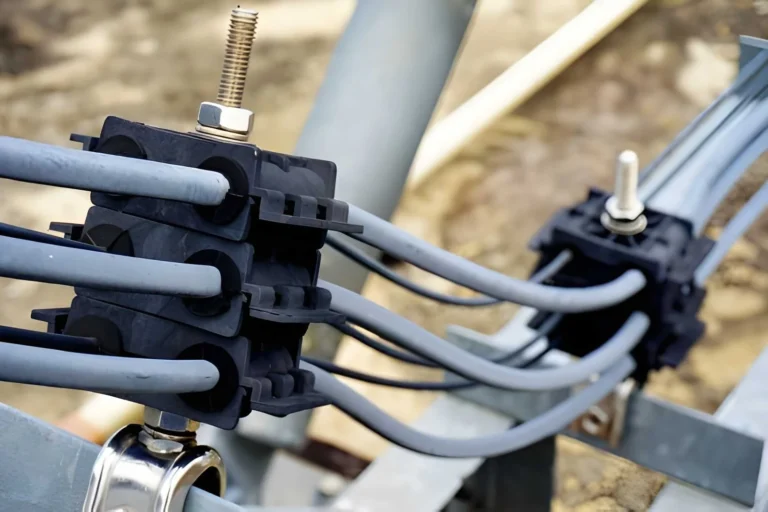
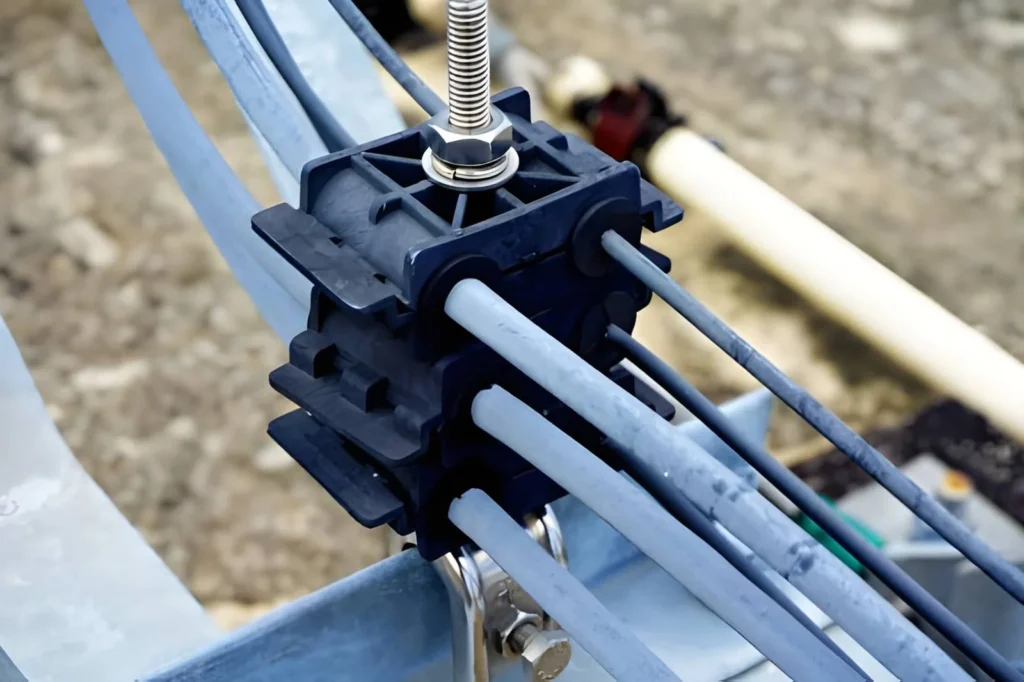
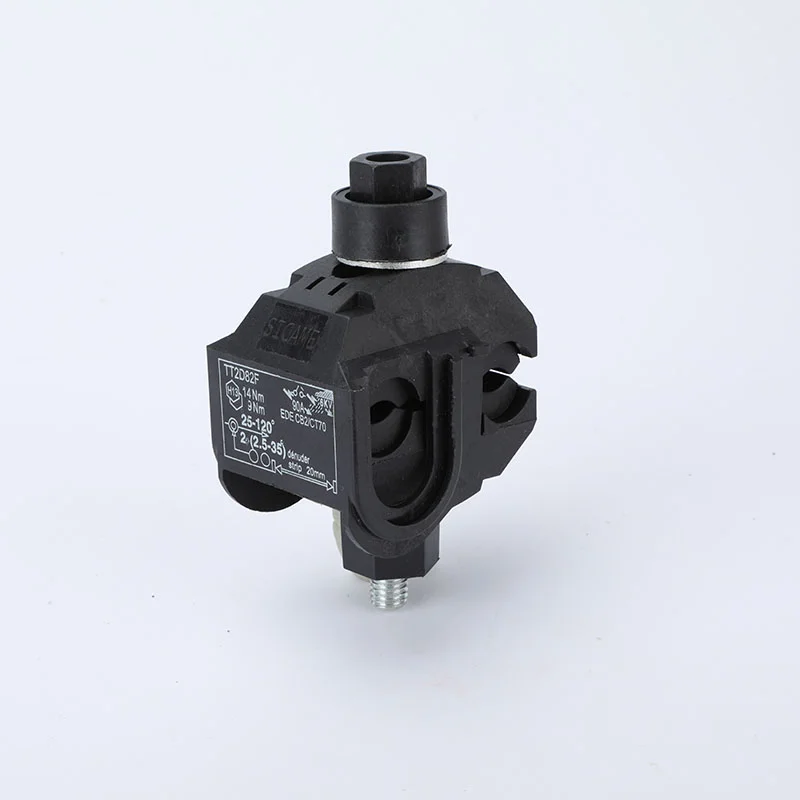
An insulation-piercing connector (IPC) is a type of electrical connector that links wires by cutting through their insulation. It removes the need to strip the wire before making a connection. This design allows current to pass through while keeping most of the insulation intact.
IPCs are commonly used in fields such as power distribution, telecommunications, and automotive systems. They are built to be strong and dependable. By protecting the insulation and ensuring a stable connection, they help maintain reliable performance even in tough working conditions.
What Are the Components of an Insulation Piercing Connector?
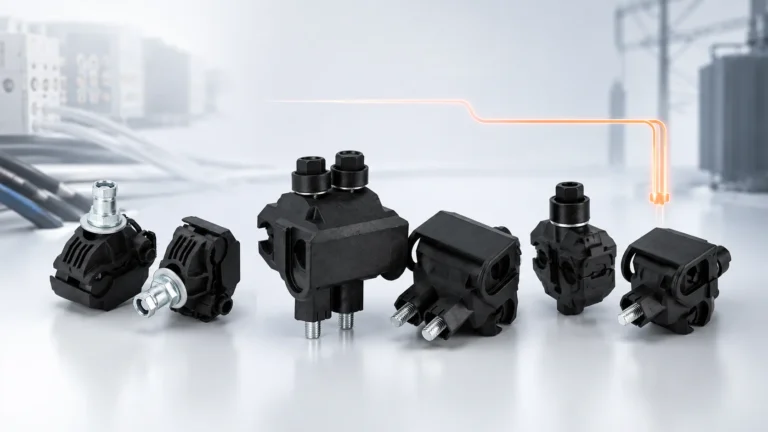
An insulation-piercing connector (IPC) is made up of several parts that work together to form a stable electrical link while keeping the wire insulation in place.
The main parts of a typical IPC include:
- Shearhead
- Nut
- Stainless steel washer
- Upper body
- Blade teeth
- Waterproof sealing
- Lower body
- Stainless steel bolt
- End cap
Each part plays a role in holding the connector firmly and allowing the metal teeth to pass through the insulation. This setup removes the need to strip the wire.
Because the insulation remains largely intact, these connectors are especially useful in situations where protecting the outer layer of the wire is important.
Applications of Insulation-Piercing Connectors
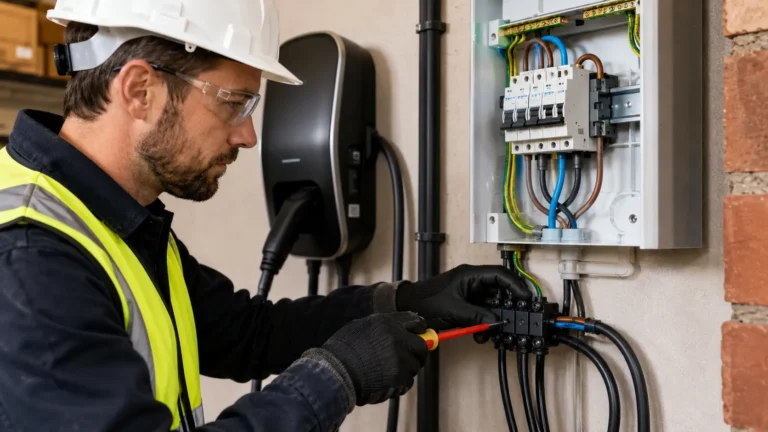
Insulation-piercing connectors are used in many electrical settings because they offer a quick and secure way to join wires without removing insulation.
Power Distribution
They are often used to connect overhead lines, underground cables, and transformers within distribution systems.
Telecommunications
These connectors help join telephone wires, fiber optics, and coaxial cables. They are commonly installed in junction and distribution boxes.
Street Lighting
In pole-mounted lighting setups, IPCs provide a fast and stable way to connect wiring.
Automotive Systems
They are applied in vehicle wiring, including harnesses, battery links, and sensor connections.
Industrial Applications
You can find them in motor control centers, switchgear, and other heavy equipment where strong and lasting connections are required.
This wide use shows how flexible and dependable these connectors are across different industries.
What Are the Advantages of Using Insulation Piercing Connectors?
Insulation-piercing connectors (IPCs) provide a range of practical benefits, which is why they are widely used in different electrical systems.
Faster Installation
There is no need to strip the wire. This shortens both setup and maintenance time.
Stable and Secure Connections
IPCs create firm contact between wires. This reduces the chance of loose joints or damage.
Water-Resistant Structure
Many designs include sealing features that protect against moisture. This makes them suitable for outdoor and underground use.
Wide Compatibility
They can work with different wire types and sizes, giving more flexibility in installation.
Improved Safety
Since the insulation stays mostly intact, the risk of electric shock during installation is lower.
Compact Design
Their small size allows use in tight spaces where traditional connectors may not fit.
Lower Costs
Less preparation and fewer extra parts help reduce both labor and material expenses.
Long Service Life
IPCs are built to handle tough environments, ensuring reliable performance over time.
How Do You Install an Insulation Piercing Connector?
How to Test Performance of IPCs?
To confirm that insulation-piercing connectors (IPCs) perform safely and reliably, they undergo a range of controlled tests. These checks are usually divided into two groups: type tests and routine tests.
Type Tests
Type tests evaluate how IPCs behave under different conditions. The goal is to verify that they meet technical requirements for real-world use. Common tests include:
- Visual inspection, along with checks on size, materials, and structure
- Verification of permanent markings
- Dielectric voltage testing in water
- Corrosion resistance testing, often using a salt fog chamber
- Climate aging tests, such as UV exposure
- Mechanical damage testing on the main conductor
- Pull-out testing of the branch cable
- Tightening tests for connector bolts
- Shear head performance checks
- Low-temperature impact testing
- Low-temperature assembly evaluation
- Full electrical aging tests (up to 1000 cycles), including short-circuit conditions
What is the NFC 33-020 Standard?
The NFC 33-020 is a French regulation that defines the requirements for IPCs used in low-voltage systems.
It outlines key aspects such as design, materials, and expected performance. The standard also specifies dimensions, piercing depth, and both electrical and mechanical properties.
In addition, it sets out testing procedures. These include checks for electrical resistance, mechanical strength, and resistance to environmental factors.
Guidelines for installation are also covered. These include recommended tightening torque, suitable wire sizes, and the maximum current the connector can safely carry.
Routine Tests
Routine tests are carried out during production. They help ensure that every connector meets quality and safety standards before use. These tests typically include:
- Visual inspection
- Verification of permanent markings
- Dielectric voltage testing in water
- Shear head function testing
Manufacturers like GGLDF operate their own testing facilities. With dedicated equipment and measurement tools, they confirm that each IPC meets required specifications before it is installed in electrical systems.
IPC vs Traditional Cable Connectors
| Feature | IPC Connector | Traditional Connector |
|---|---|---|
| Insulation stripping required | No | Yes |
| Installation speed | Fast | Slow |
| Safety risk | Lower | Higher |
| Waterproof capability | High (sealed design) | Depends on method |
| Application | Branch connections | General wiring |
Conclusion
This guide has outlined the key points about insulation-piercing connectors, including their function, structure, uses, and benefits. These connectors provide a practical solution for creating secure electrical links while keeping insulation intact.
As a direct manufacturer, GGLDF is ready to support any commercial inquiries related to its product range. You can reach out by email or phone, and the team will provide clear and timely assistance.
FAQ
Do IPC connectors require stripping the cable insulation?
No. IPC connectors are specifically designed to connect cables without removing insulation.
Are insulation piercing connectors waterproof?
Most IPC connectors are designed with sealing structures to ensure resistance to water, dust, and environmental exposure.
Where are IPC connectors commonly used?
They are commonly used in overhead distribution networks, ABC cable systems, and outdoor electrical installations.
Can IPC connectors be reused?
In most cases, IPC connectors are designed for single-use to ensure stable electrical performance.