




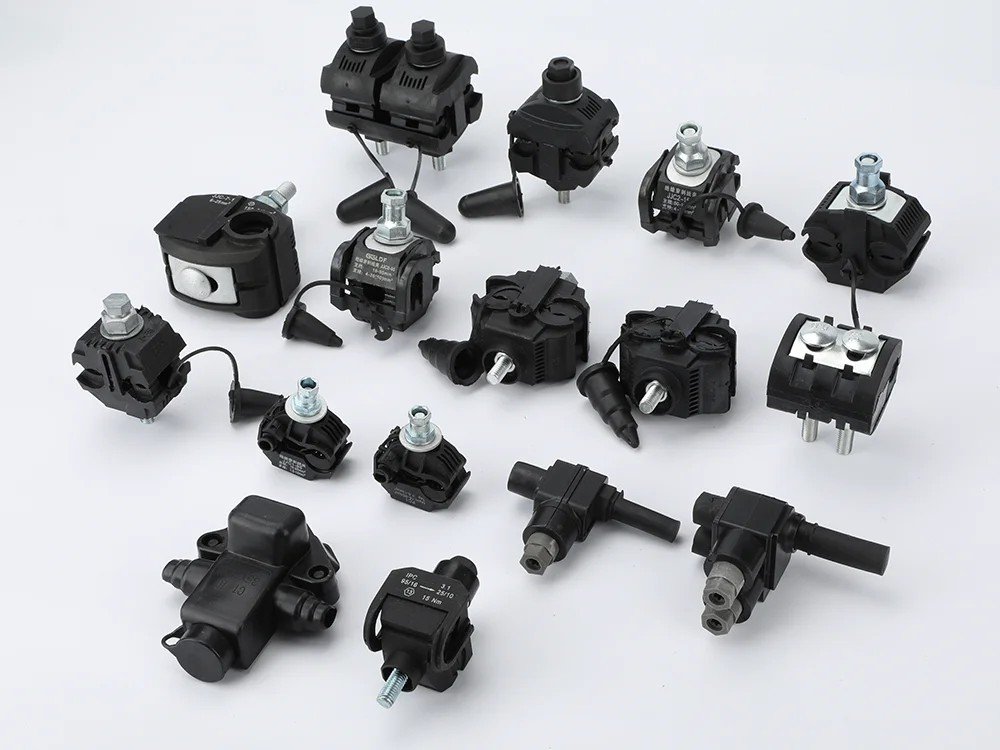
Insulation Piercing Connector Supplier
Insulation Piercing Connector Supplier
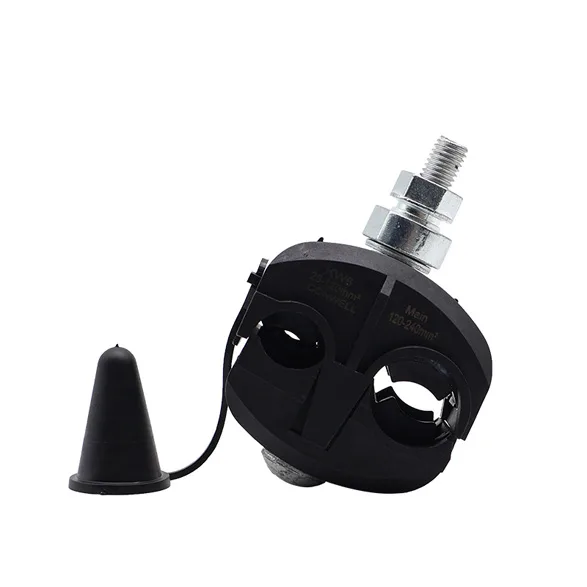
Insulation piercing connectors make a branch or splice connection on low-voltage aerial bundled cable without cutting the insulation. The teeth on the bolt bite through the insulation and clamp onto the conductor as the bolt is drawn down, so one bolt makes both the electrical contact and the seal. There is no stripping, no taping and no separate joint enclosure at the branch point.
We supply them to utility contractors, EPC firms and distributors working on LV-ABC distribution. 24 models are listed below with their main and branch conductor ranges and tightening torque — start from your main conductor size.
Budget US$0.40 – 3.70 per piece · 100 pcs per model · 10 – 20 days after deposit · FOB Ningbo or Shanghai
Every connector is written as main side / branch side. For example 16-95/1.5-16mm² means the connector sits on a 16–95mm² main conductor and accepts a 1.5–16mm² branch. Read it the other way round and the connector will not fit your main line. A few models are written 4x16-35mm², where the leading number is the conductor count.
Send us the two cross-sections, whether the conductor is aluminium or copper, and the quantity. If your sizes fall between two ranges, or you need a bi-metallic bolt for aluminium, we will confirm the model against the drawing before quoting.
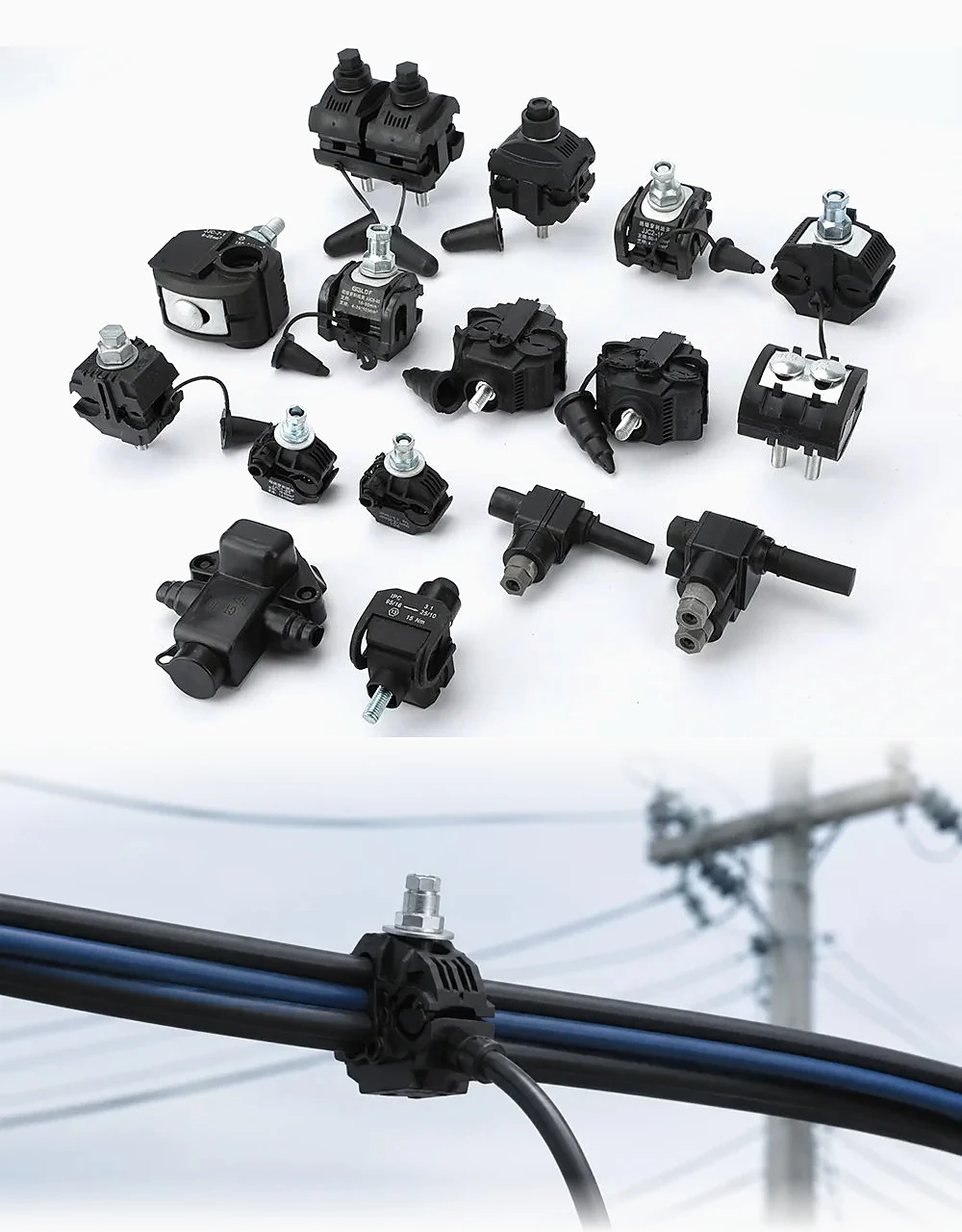
Models by main conductor size
Click any model to open its product page. Torque shown is the published value; the five models marked “per drawing” are confirmed against the drawing before you order.
Main side up to 35 mm²Service drops and small tap conductors · Budget US$0.40 – 1.20 / pc · MOQ 100 pcs
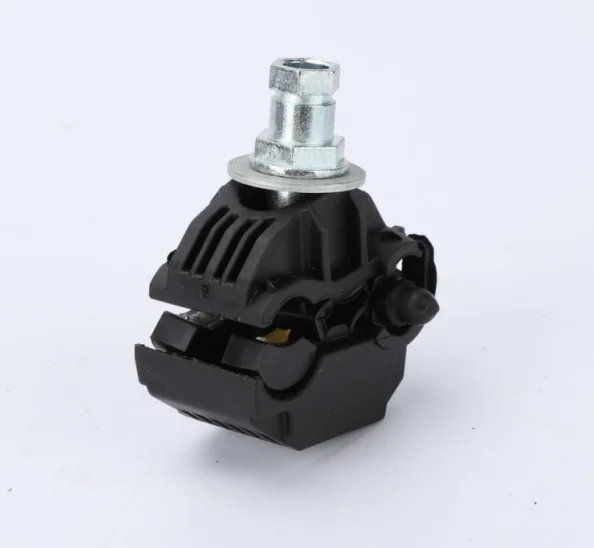 PC101-CTMAIN1.5–25BRANCH1.5–1010Nm
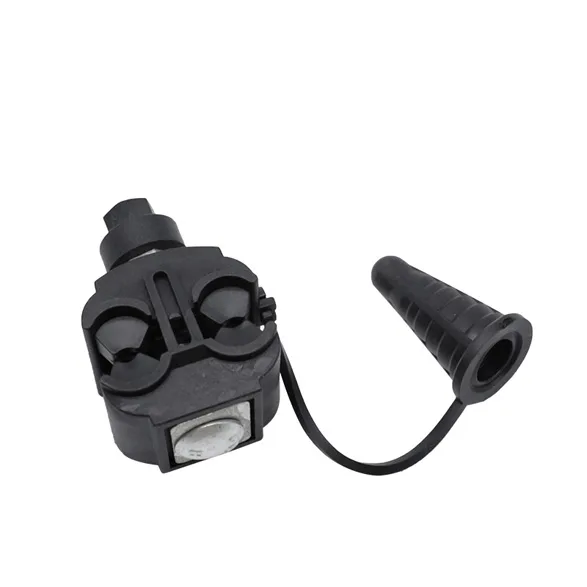 PC4-35MAIN4–35BRANCH4–357Nm
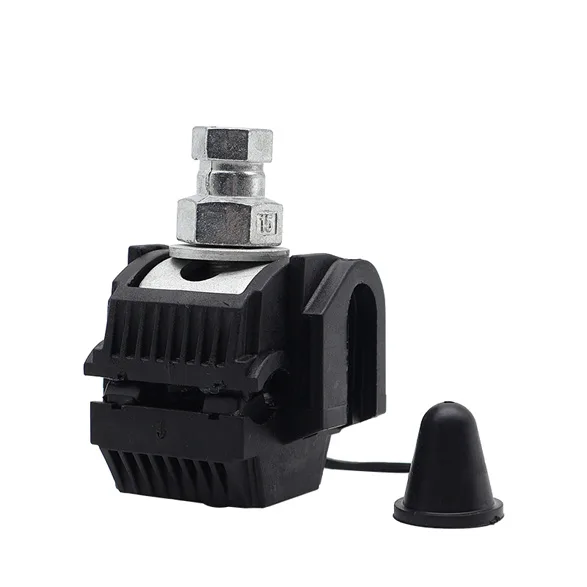 PC102MAIN6–50BRANCH4–2515Nm
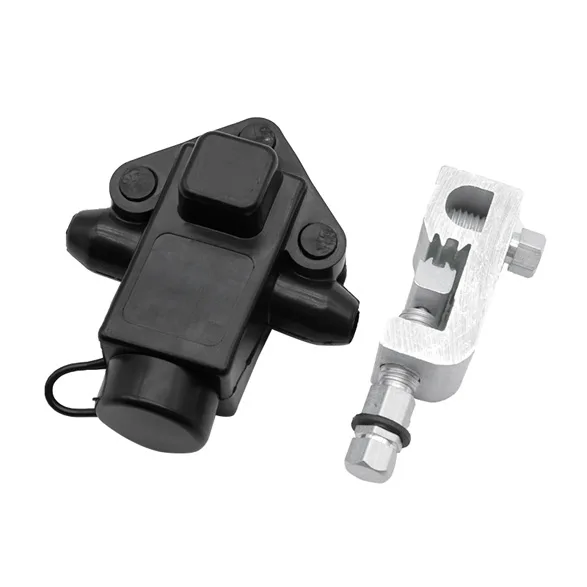 CD21MAIN10–35BRANCH2.5–3515Nm
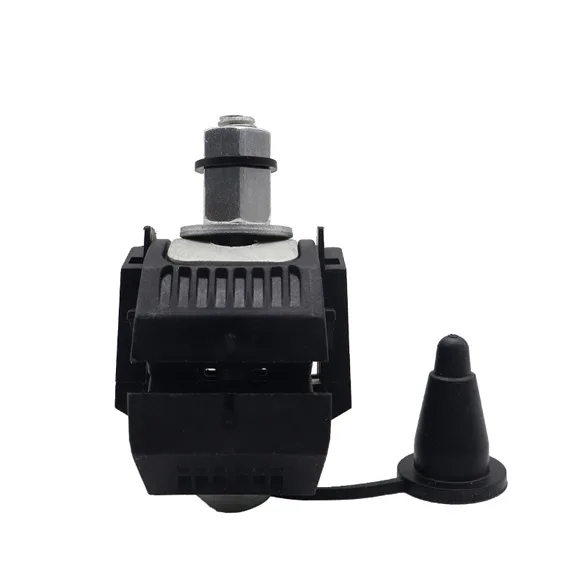 PC-150-10MAIN10–150BRANCH1.5–1015Nm
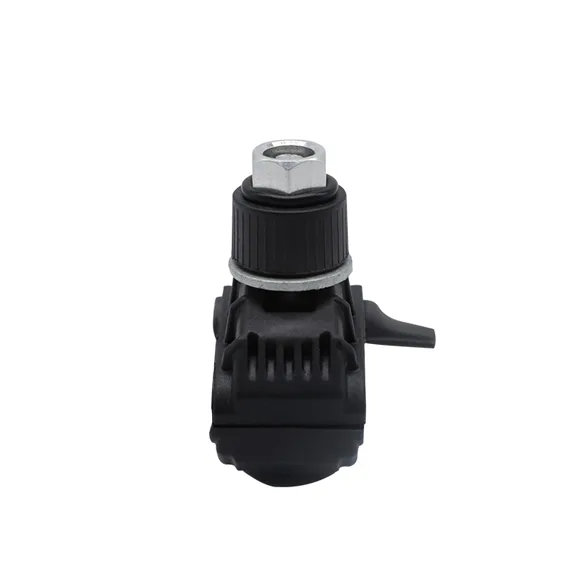 EP-BTMAIN16–95BRANCH1.5–1610Nm
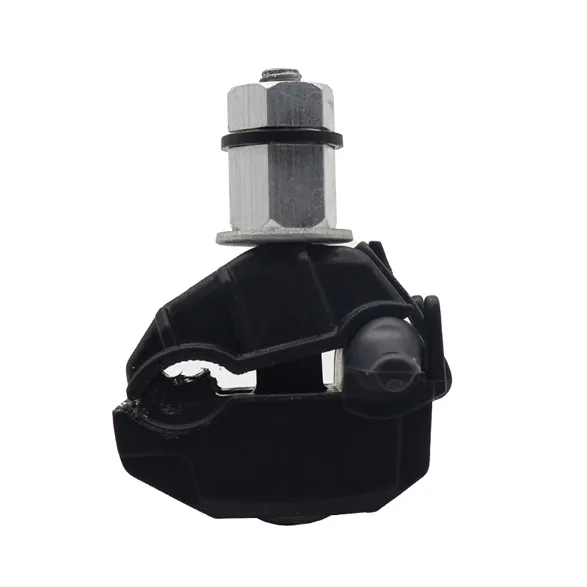 EP-CTMAIN16–95BRANCH1.5–1610Nm
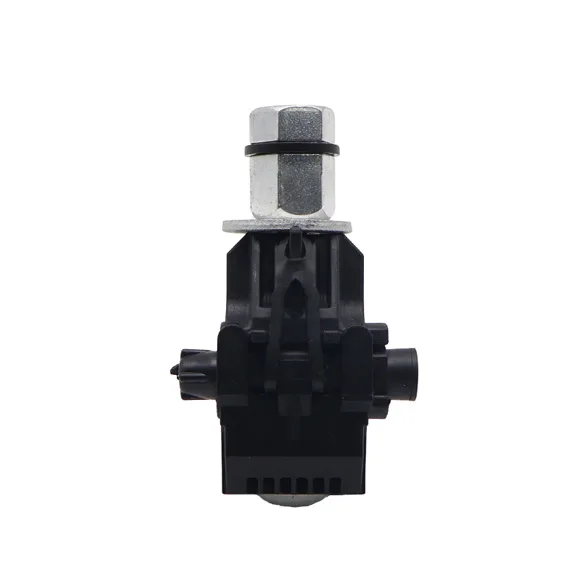 EPMAIN16–95BRANCH1.5–1610Nm
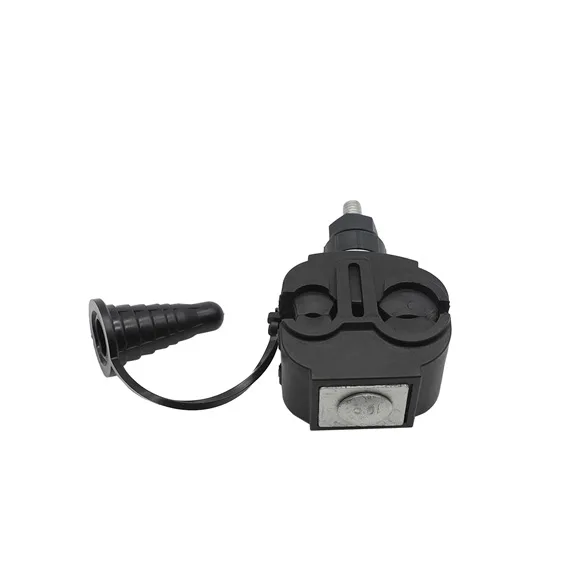 SY95MAIN16–95BRANCH4–5012Nm
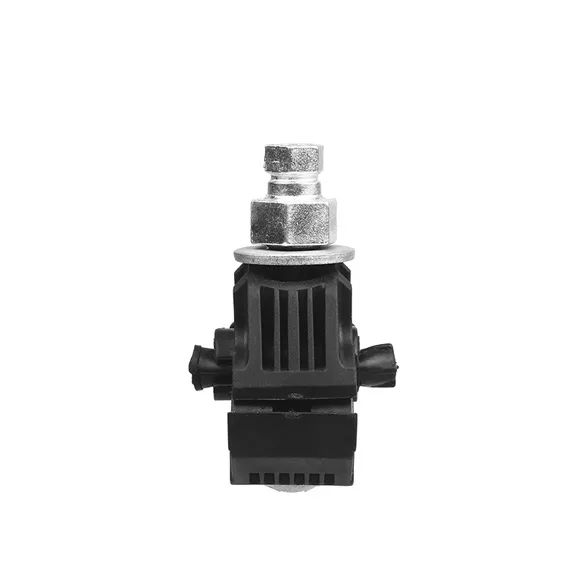 PC101MAIN16–95BRANCH1.5–1010Nm
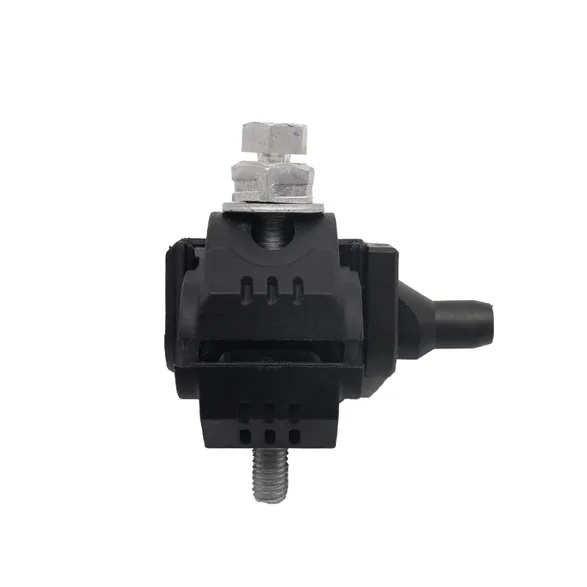 CTH35MAIN16–95BRANCH4–5015Nm
 CPL-95MAIN16–95BRANCH16–25per drawing
 JJC2-95MAIN16–95BRANCH4–5020Nm
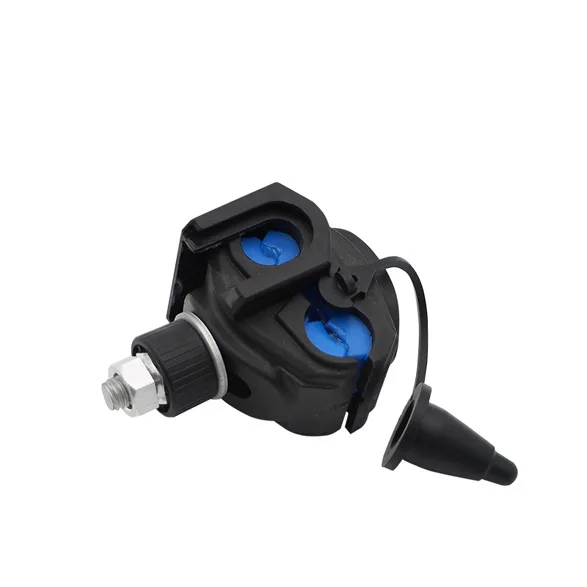 PC2-150BTMAIN16–150BRANCH4–5010Nm
 PC3-95MAIN25–95BRANCH25–9520Nm
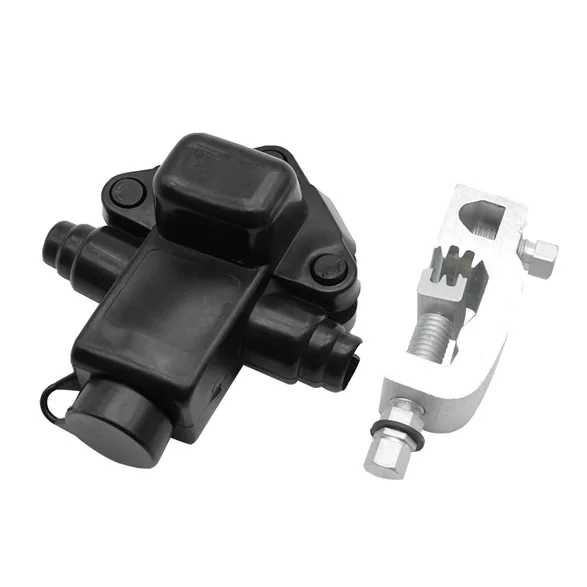 CD72MAIN35–95BRANCH4–70 (2-core)18Nm
 JBC-1MAIN35–70BRANCH6–35per drawing
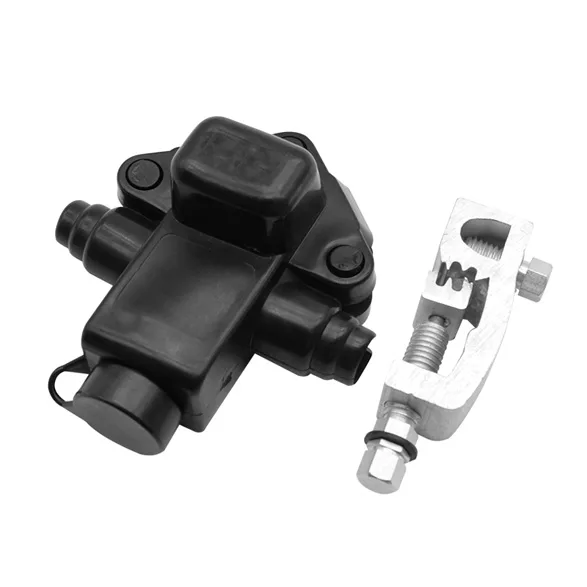 CD71MAIN35–95BRANCH4–7018Nm
 JBC-2MAIN35–120BRANCH35–120per drawing
 CPL-150MAIN35–150BRANCH35–150per drawing
 JJC16-150MAIN35–150BRANCH35–15026Nm
Main side 36 – 95 mm²Standard LV-ABC distribution conductors · Budget US$0.60 – 2.00 / pc · MOQ 100 pcs


Main side above 95 mm²Heavy feeders and trunk conductors · Budget US$0.90 – 3.70 / pc · MOQ 100 pcs
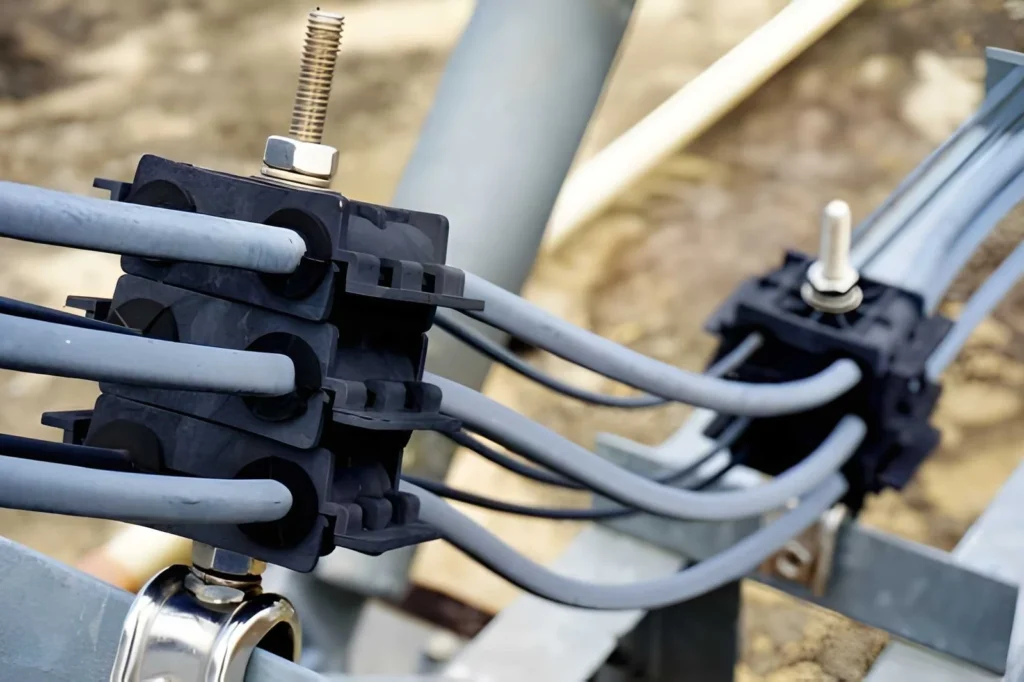
What a finished tap-off looks like on the pole
The photo is the same connection seen from the ground: connectors stacked on a pole-mounted LV-ABC run, one branch taken off per connector, with the main conductor passing straight through underneath.
This is what an IPC replaces. A taped branch needs the main insulation stripped back, a taped joint, and a separate enclosure to weatherproof it. With an IPC the main insulation stays continuous, so there is nothing left on the pole to re-tape or re-seal later.
- Main conductor is not cut or stripped
- No tape, no separate joint enclosure at the branch
- Every joint stays accessible for re-torquing
Complete comparison table
All 24 models with published conductor data.
| Model | Main conductor (mm²) | Branch conductor (mm²) | Tightening torque |
|---|---|---|---|
| PC101-CT | 1.5–25 | 1.5–10 | 10Nm |
| PC4-35 | 4–35 | 4–35 | 7Nm |
| PC102 | 6–50 | 4–25 | 15Nm |
| CD21 | 10–35 | 2.5–35 | 15Nm |
| PC-150-10 | 10–150 | 1.5–10 | 15Nm |
| EP-BT | 16–95 | 1.5–16 | 10Nm |
| EP-CT | 16–95 | 1.5–16 | 10Nm |
| EP | 16–95 | 1.5–16 | 10Nm |
| SY95 | 16–95 | 4–50 | 12Nm |
| PC101 | 16–95 | 1.5–10 | 10Nm |
| CTH35 | 16–95 | 4–50 | 15Nm |
| CPL-95 | 16–95 | 16–25 | per drawing |
| JJC2-95 | 16–95 | 4–50 | 20Nm |
| PC2-150BT | 16–150 | 4–50 | 10Nm |
| PC3-95 | 25–95 | 25–95 | 20Nm |
| CD72 | 35–95 | 4–70 (2-core) | 18Nm |
| JBC-1 | 35–70 | 6–35 | per drawing |
| CD71 | 35–95 | 4–70 | 18Nm |
| JBC-2 | 35–120 | 35–120 | per drawing |
| CPL-150 | 35–150 | 35–150 | per drawing |
| JJC16-150 | 35–150 | 35–150 | 26Nm |
| JJC2-150 | 50–150 | 6–50 | 20Nm |
| JBC-3 | 50–240 | 50–240 | per drawing |
| JJC-6 | 120–240 | 10–120 | 35Nm |
Cross-sections in mm². A branch value of “same as main” means the connector takes the same size on both sides; “(2-core)” means the branch side takes two conductors. Torque marked “per drawing” is not published in the model data — we confirm it against the drawing before you order.
Models that look alike, and how to tell them apart
Four groups in this range cover the same conductor sizes and differ only in construction, torque or bolt material. They exist because one body casting is reused across several builds, and they are the most common reason a buyer receives a connector that fits but is not the right one.
Read the note under the model you picked in the table above, then check it against the matching group here.
Same range, same 10 Nm torque, three different constructions. EP is the standard copper version. EP-CT adds an encapsulating body for exposed or direct-buried positions. EP-BT carries a bi-metallic bolt and is the one to order on aluminium. Ordering EP where EP-BT was needed is the most expensive mistake in this group, because the joint corrodes rather than failing at installation.
All three cover 16-95 mm² main with a 4-50 mm² branch, but the torque differs: 12 Nm, 15 Nm and 20 Nm. Pick the one your crew tooling is set to, or tell us the tooling and we confirm the model. Two models that look identical on the pole are not interchangeable if the torque wrench is set for the other one.
PC3-95 takes 25-95 mm² on both sides. JJC2-95 takes 16-95 mm² main with 4-50 mm² branch. If your main and branch are the same size, PC3-95 is the fit; if the branch is smaller, it is JJC2-95. Buyers who only read the top of the range order PC3-95 for a 25/16 joint and it does not close on the branch.
A matched series at 35-70, 35-120 and 50-240 mm², both sides equal. Selection is by main conductor size alone, so the only thing to check is that the branch is within the same range. Do not mix JBC sizes across a run to cover a size that falls between two of them, send us the size instead.
If either conductor is aluminium
Aluminium and copper react in the presence of moisture: the contact face corrodes, resistance rises and the joint runs hot. A bi-metallic bolt separates the two metals — an aluminium contact face against the conductor, with a copper-threaded body for the bracket.
Specify EP-BT (16-95/1.5-16mm²) or PC2-150BT (16-150/4-50mm²). A standard bolt on an aluminium conductor will corrode at the contact face and the joint will run hot. If you are unsure which type you have, tell us the conductor material and we will confirm.
Our own workshop
Stamping, injection moulding, machining and assembly are carried out in-house. That is what makes it possible to confirm a model against the drawing before you order.
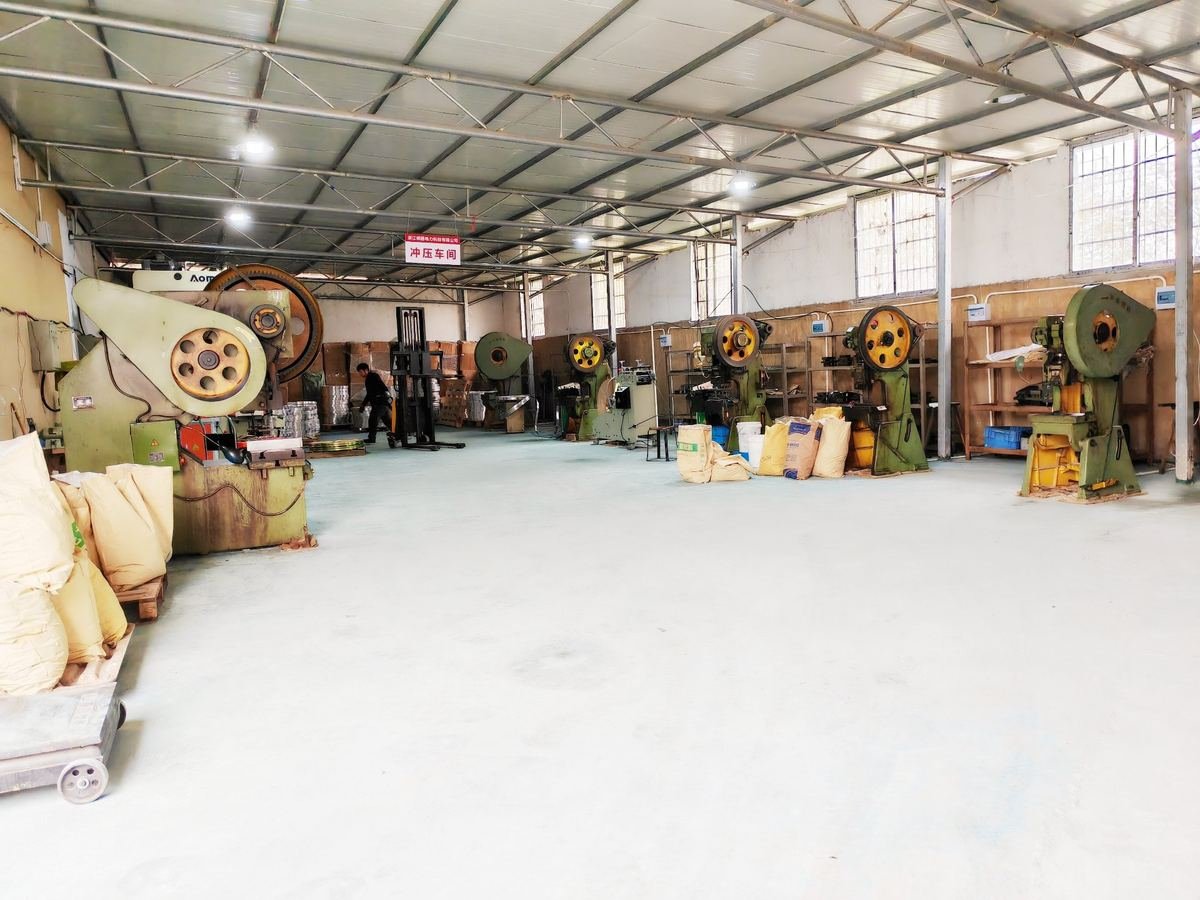
Body, bracket and tooth profile stamped to tolerance.

Polymer housing moulded in-house for the connector body.

Contact surfaces and tooth profiles finished to tolerance.

Bolted rather than welded assembly.
Manufacturer, not a trading desk
GGLDF is Zhejiang Ganggu Electric Power Technology Co., Ltd., registered in Yueqing, Zhejiang. We manufacture for utility contractors, EPC firms and distributors, and we build these product lines rather than reselling them.
The range covers suspension clamps, tension clamps, insulation piercing connectors, parallel groove clamps, busbar accessories, cable lugs and cable terminals. Where a project needs fittings from more than one of these categories, the drawings and the certification file come from one manufacturer rather than from two sources you then have to reconcile.
How to reach us
- Factory address
No. 1, Lane 17, Fangqiao Road, Liushi Town, Yueqing City, Wenzhou City, Zhejiang Province, China - Email
salesmanager@ggldf.com - Phone / WhatsApp
+86-15825688289
How the joint is made, and what happens on site
An IPC is a mechanical termination. Understanding what the bolt actually does explains both the torque requirement and why the joint can still be checked years later.
30 seconds, no voiceover. Each step is captioned in the clip.
The main run is not cut and not stripped. The connector goes on as it is.
The branch goes into its own channel under the same body.
The bolt head breaks away at the set torque. That is how the value is guaranteed on site, without a torque wrench you have to trust.
The sleeve closes over the body. Nothing else is wrapped, taped or boxed.
The teeth on the underside of the bolt are drawn down onto the conductor as the bolt is tightened. They cut through the insulation and seat on the metal, while the shoulder of the bolt presses the insulation back around the conductor. One bolt therefore makes the electrical contact and the seal at the same time.
The teeth have to seat fully without cutting into the conductor. Under-tightening leaves a high-resistance joint that heats up under load; over-tightening damages the conductor or the insulation. Published torque across this range runs from 7 Nm to 35 Nm depending on conductor size, which is why the value is model-specific rather than one figure for the whole range.
A calibrated torque wrench set to the model value, and clean conductors — surface preparation is the only preparation needed. No crimping tool, no stripping tool, and no sealing tape or joint enclosure has to go up the pole with the crew.
Because the body is bolted rather than welded, a joint can be opened and re-torqued if the conductor has moved or the connection needs inspection. Send us the model and the torque value and we will confirm the procedure for that model.
Torque figures above are the published values for this range. Five models do not publish a torque value; we confirm those against the drawing when you order.
What a first order costs, and how it ships
Price, minimum quantity, lead time and payment decide whether a connector order is worth placing. These are the bands this class of product trades in, so you can budget before you ask.
| Main conductor size | Indicative FOB unit price | Typical minimum | Lead time after deposit |
|---|---|---|---|
| Main side up to 35 mm²Service drops, small tap conductors, PC and JBC light bodies | US$0.40 – 1.20 / pc | 100 pcs per model | 10 – 15 days |
| Main side 36 – 95 mm²Standard LV-ABC distribution conductors, JJC and PC mid bodies | US$0.60 – 2.00 / pc | 100 pcs per model | 10 – 20 days |
| Main side above 95 mm²Heavy feeders and trunk conductors, multi-bolt bodies | US$0.90 – 3.70 / pc | 100 pcs per model | 12 – 20 days |
Figures are in US dollars, FOB Ningbo or Shanghai, for catalogue models in standard finish. They are the bands these connectors are listed at in 2026 — not a quotation for your order. Bolt material and the insulation grade move the figure more than the volume does.
Unit price by order quantityThe band above is the 100-piece price. The same model costs less as the quantity climbs.
The rest of the termsWhat is fixed before the container is loaded, and what is not.
Samples
Free of charge. You pay the courier and we credit it back against the first order. Posted within two to three days of the model being confirmed against your conductor sizes.
Payment
Small orders are paid in full when the order is placed. On larger orders, 30% T/T as a deposit, with the balance settled before shipment. The quotation states which of the two applies to your quantity.
Port and Incoterms
FOB, CFR or CIF from Ningbo or Shanghai. Give us the destination port and we quote the freight leg separately, so you can see what it adds to the landed cost.
Packing
Packed in export cartons, palletised or loaded loose in the container. The carton count varies by model and is fixed on the packing list. Carton marks can carry your model code instead of ours.
Mixed models
One shipment can carry several models and both conductor sizes. Each is packed separately so your store can issue it without repacking.
Before the container leaves
Photographs of the finished parts and the packed cartons, and the test report for the batch. Third-party inspection is welcome; tell us the date and we arrange access.
Treat these as budget bands, not a quotation.
Send the main and branch conductor sizes, the quantity and the destination port. We reply with a firm price, the packing list and a lead time against your date, within one working day.
Questions buyers ask before ordering
Selection and ordering questions we are asked on IPC enquiries. If yours is not here, send it with your conductor sizes and we will answer it directly.
My conductors fall between two ranges — what do I do?
Choose the model whose main-side range covers the larger conductor, then confirm the branch side still fits. If nothing matches, send us the two cross-sections and we will confirm the model against the drawing before you order.
EP, EP-CT and EP-BT all say 16-95/1.5-16mm². Which one do I order?
All three cover the same range at the same 10Nm torque; the difference is construction. EP is the standard version for copper. EP-CT adds an encapsulating body for exposed or direct-buried positions. EP-BT uses a bi-metallic bolt and is the one to specify when either side of the joint is aluminium.
Which model do I need for aluminium conductors?
If either side of the joint is aluminium, specify a bi-metallic bolt model — EP-BT (16-95/1.5-16mm²) or PC2-150BT (16-150/4-50mm²). Aluminium against copper in the presence of moisture corrodes the contact face and makes the joint run hot.
Both my conductors are the same size — which model fits?
PC3-95 takes 25-95mm² on both the main and branch side. It is the model to use when your main and branch conductors are the same cross-section.
What is the largest conductor these connectors take?
JJC-6 takes a 120-240mm² main with a 10-120mm² branch, and JBC-3 takes 50-240mm² on both sides. JBC-2 covers 35-120mm² and JBC-1 covers 35-70mm² main with 6-35mm² branch.
Do I need a torque wrench?
Yes — torque is the one parameter that must not be guessed. Under-tightening leaves poor contact resistance; over-tightening can damage the conductor or the insulation.
Some models show no tightening torque. Why?
Torque is marked “per drawing” on five models — JBC-1, JBC-2, JBC-3, CPL-95 and CPL-150 — because it is not published in the model data we hold. We confirm the value against the drawing when you order.
Can these be used on bare, uninsulated conductors?
No. An IPC works by the teeth penetrating the insulation to reach the conductor. On a bare conductor there is nothing to pierce. Use a mechanical clamp or parallel groove clamp instead.
To get a quotation
Five details let us confirm the exact model rather than quote you a range and leave you to choose.
- Main conductor cross-section and branch conductor cross-section
- Conductor material, aluminium or copper
- Quantity and destination port
- Whether you need a bi-metallic bolt variant
- Whether the joint is exposed, direct-buried or inside a joint enclosure
If you only have two conductor sizes and a quantity, send those. We come back with the model, the torque value and the price, not a range to choose from yourself.
“2,000 pcs IPC for a 50 mm² ABC main tapping 16 mm² copper service, joint direct-buried, CIF Nhava Sheva.”
Aluminium main to copper branch is the case that needs the bi-metallic bolt, so we would quote a two-bolt model rather than the standard one.
Replies go to the email address you give us, within one working day.
Prefer email? salesmanager@ggldf.com