



Glow Wire Test for IPC Connectors: A Fire Safety Guide
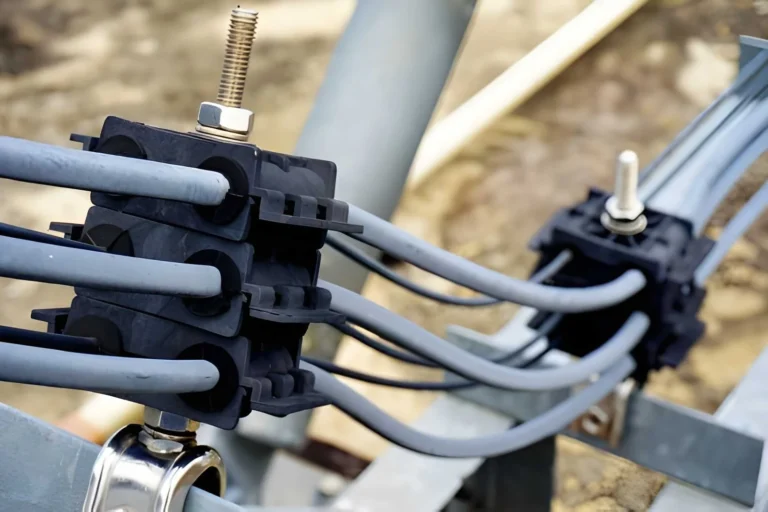
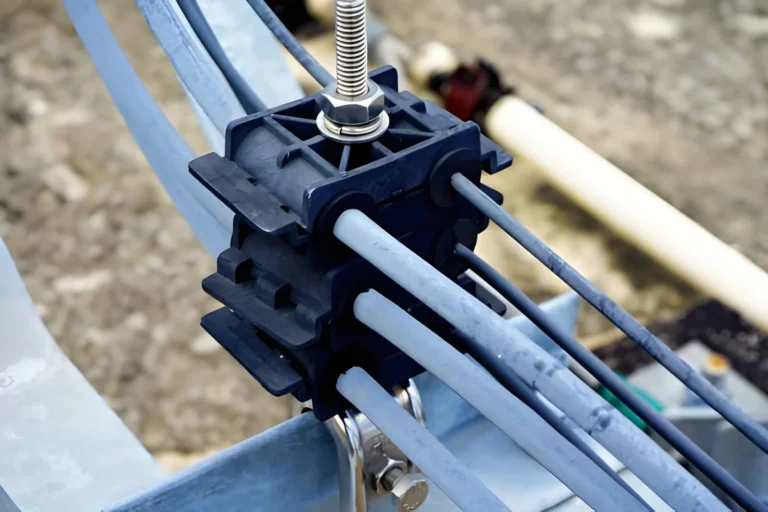
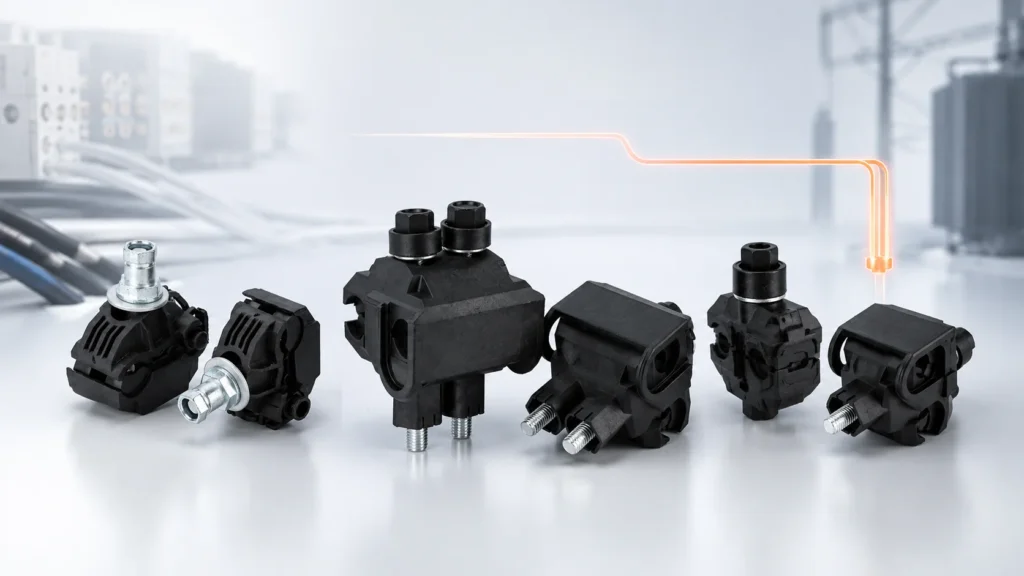
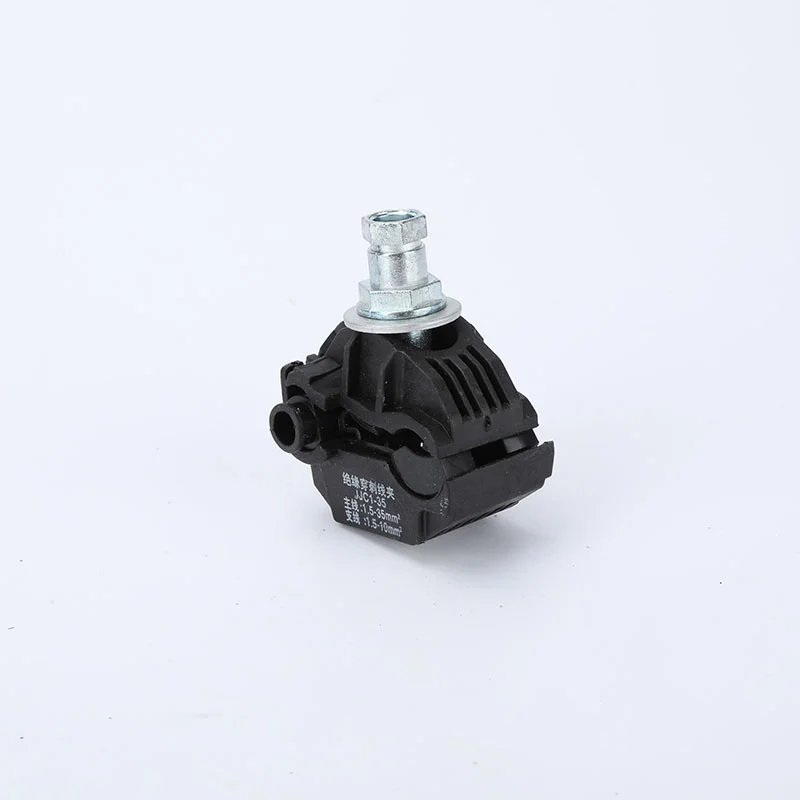
Insulation Piercing Connectors (IPCs) are widely used in low-voltage overhead distribution networks to create fast, reliable branch connections without stripping the cable insulation.
However, electrical connection performance is not the only factor that matters. In demanding power distribution environments, IPC connectors may be exposed to abnormal heat caused by overload, poor contact resistance, electrical faults, or nearby heat sources. This is why fire-performance evaluation is an important consideration when selecting an IPC connector.
One of the most widely recognized methods for assessing the heat and ignition behavior of electrical insulating components is the glow wire test.
This article explains what a glow wire test for IPC connectors is, why it matters, what buyers should check, and how to select suitable flame-retardant insulation piercing connectors for overhead power distribution projects.
What Is a Glow Wire Test?
A glow wire test is a fire-hazard test used to assess how an electrical product or insulating material reacts when exposed to a heated metal wire.
The test is designed to simulate thermal stress that may occur in electrical equipment under abnormal operating conditions. For example, excessive heat may be generated by overloaded conductors, poor electrical contact, or components operating close to their temperature limits.
During the test, a standardized heated wire is applied to the product or material sample for a defined period. The evaluator then observes how the sample reacts.
The test typically considers whether the material:
- Ignites when exposed to high temperature
- Continues burning after the heated wire is removed
- Self-extinguishes within a limited time
- Produces flaming drips that may ignite surrounding material
- Shows excessive flame propagation
For IPC connectors, the result helps buyers understand whether the connector housing material can provide better resistance to ignition and flame spread in the event of abnormal thermal exposure.
Why Is Glow Wire Testing Important for IPC Connectors?
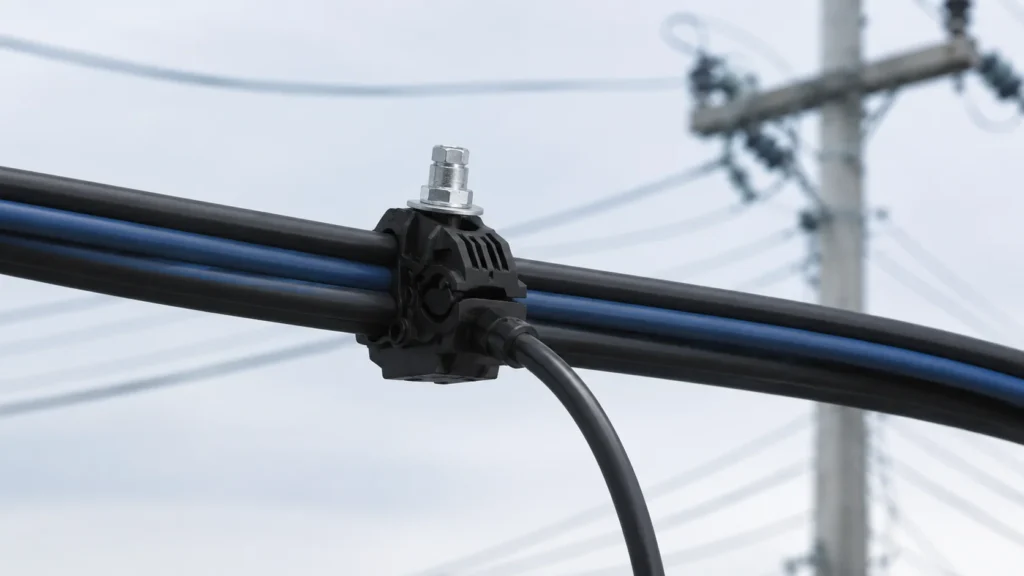
IPC connectors are often installed in low-voltage aerial bundled cable systems, service connections, street-light branches, and other outdoor power distribution applications.
Although IPCs are compact components, they are responsible for creating electrical contact between conductors. A poor-quality connector with weak insulation housing may create safety risks when exposed to heat, electrical stress, or harsh outdoor conditions.
Glow wire testing is important because it helps evaluate the fire behavior of the connector housing material.
1. Helps Reduce Fire Propagation Risk
A high-quality IPC connector should not easily support continuous burning after exposure to abnormal heat.
When a connector housing uses suitable flame-retardant insulating material, it can help reduce the possibility that ignition will spread to nearby cable insulation, mounting components, or other network parts.
This is particularly important in densely installed distribution systems, residential areas, public infrastructure projects, and utility networks.
2. Supports Safer Low-Voltage Distribution Networks
A reliable IPC connector is not only designed for conductivity and mechanical clamping force. It should also maintain electrical insulation performance during long-term use.
Testing the material’s behavior under thermal stress helps engineers and buyers assess whether the connector is suitable for safety-sensitive projects.
For overhead distribution systems, this can be especially important in applications such as:
- Aerial bundled cable branch connections
- Service line connections
- Street-lighting systems
- Public utility power networks
- Industrial distribution lines
- Rural electrification projects
- Outdoor low-voltage power connections
3. Helps Buyers Verify Technical Quality
Many IPC connectors may look similar externally, but their material quality can vary significantly.
A connector housing made with low-grade recycled plastic or unsuitable polymer materials may have weaker resistance to heat, UV exposure, aging, and flame propagation.
For this reason, buyers should not select IPC connectors based only on price or cable range. They should also verify the material grade, applicable standards, available test documentation, and the supplier’s quality control capability.
Glow Wire Test Standards for IPC Connectors
For electrical products, glow wire testing is commonly associated with the IEC 60695 series.
IEC 60695-2-11 is commonly referenced for glow-wire flammability testing of end products. It evaluates whether a completed component or product has limited ability to ignite or propagate flame under defined test conditions.
For material-level evaluation, buyers may also encounter two important terms:
GWFI: Glow Wire Flammability Index
GWFI refers to the highest temperature at which a material either does not ignite or extinguishes quickly after the glow wire is removed under specified test conditions.
This value is used to evaluate the flammability behavior of insulating materials.
A higher GWFI value may indicate that the material has stronger resistance to ignition and sustained burning under glow-wire exposure.
GWIT: Glow Wire Ignition Temperature
GWIT refers to the temperature level at which a material resists ignition or sustained flaming under the specified glow-wire test method.
GWIT is useful when comparing different insulating materials during the product design and material selection process.
Material Test vs. Finished IPC Connector Test
It is important to distinguish between a material test and a complete product test.
A material test evaluates the polymer or insulation material sample.
A finished-product test evaluates the assembled IPC connector, including its housing shape, wall thickness, structural design, contact area, and other factors that may affect heat behavior.
For project procurement, buyers should confirm whether the available report applies to:
- The raw polymer material
- The finished IPC connector
- A specific connector model
- A specific cable range or product series
- A defined glow-wire temperature and test condition
What Materials Are Used in Flame-Retardant IPC Connectors?
The housing of an insulation piercing connector must provide more than just insulation.
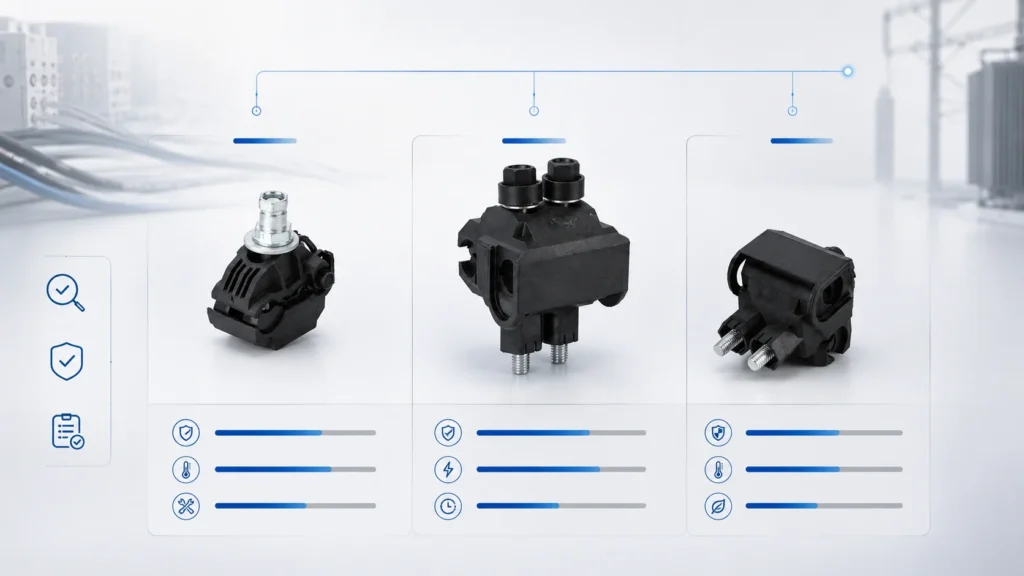
For outdoor overhead power distribution applications, the material should ideally balance several important properties:
- Electrical insulation
- Mechanical strength
- UV resistance
- Heat resistance
- Aging resistance
- Moisture resistance
- Flame-retardant performance
- Resistance to cracking in outdoor environments
High-quality IPC connector housings are commonly produced with engineering thermoplastics or reinforced insulating polymers selected for electrical and environmental performance.
The specific material formulation may vary depending on the project requirement, product design, voltage level, installation environment, and required compliance standard.
For outdoor applications, a suitable housing material should also help the connector resist long-term exposure to sunlight, rain, temperature variation, and environmental contamination.
What Should Buyers Check Before Ordering Fire-Resistant IPC Connectors?
When sourcing insulation piercing connectors for a utility, contractor, distributor, or OEM project, buyers should ask more than “What is the price?”
A practical technical checklist should include the following questions.
1. What Is the Applicable Standard?
Confirm which product standards, testing methods, or project requirements apply to the connector.
Different regions, utilities, and projects may use different technical specifications.
2. Is the Test for the Material or the Finished Product?
Ask whether the available documentation relates to the polymer material itself or the assembled IPC connector.
This distinction matters because finished-product geometry and construction can influence the final test result.
3. What Glow-Wire Temperature Was Used?
Do not assume that every IPC connector is tested at the same temperature.
The required temperature should be confirmed according to the buyer’s project specification, local regulation, product standard, or customer requirement.
4. Is the Connector Suitable for Outdoor Use?
For overhead line applications, fire performance alone is not enough.
The IPC connector should also be evaluated for UV resistance, sealing performance, corrosion resistance, mechanical durability, and cable compatibility.
5. Can the Supplier Provide Technical Documentation?
A reliable IPC connector manufacturer should be able to discuss cable range, conductor compatibility, material selection, installation torque, applicable standards, and available testing documentation.
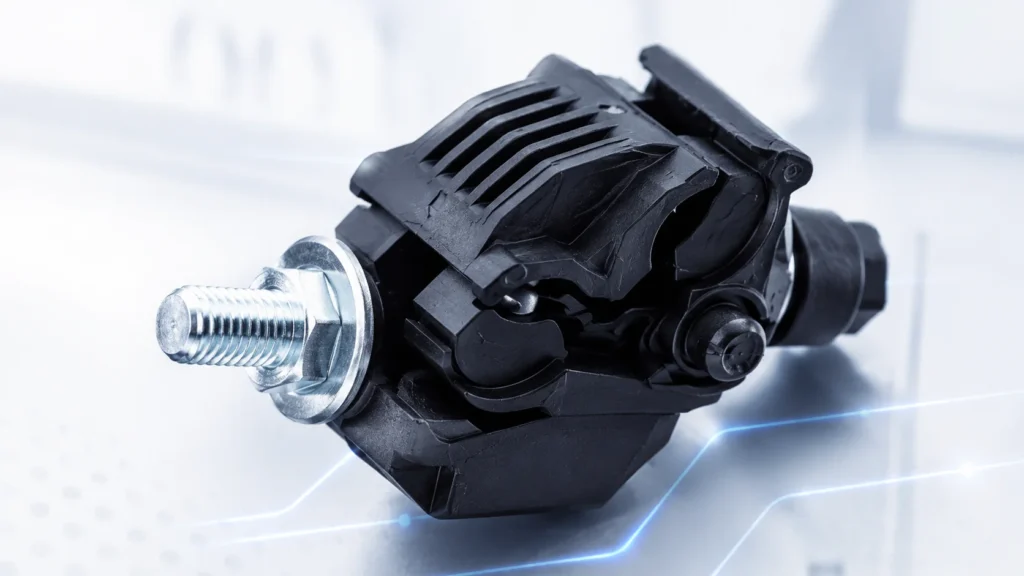
GGLDF Insulation Piercing Connectors for Low-Voltage Distribution
GGLDF supplies insulation piercing connectors for overhead power distribution and cable branch connection applications.
Our IPC product range includes multiple connector types for different main-line and branch-line cable sizes, helping customers select suitable models for aerial bundled cable systems and low-voltage distribution projects.
Typical IPC connector applications include:
- LV ABC cable branch connections
- Service line tapping
- Street-lighting cable connection
- Outdoor distribution network installation
- Utility maintenance and expansion projects
- Industrial and commercial power connections
Depending on project requirements, buyers can discuss product selection based on conductor material, cable cross-section, environmental conditions, packaging needs, labeling requirements, and technical specifications.
Why Choose GGLDF as Your IPC Connector Supplier?
Factory-Direct Supply
GGLDF provides direct manufacturing and supply support for power line hardware and electrical connection products. This helps customers reduce unnecessary sourcing layers and improve communication efficiency.
Broad IPC Product Selection
Our insulation piercing connector range includes multiple series designed for different cable sizes and connection requirements.
Customers can select suitable IPC models based on main conductor range, branch conductor range, installation application, and local project specifications.
OEM and Customization Support
For distributors, contractors, and project buyers, GGLDF can support customization requirements involving:
- Product dimensions
- Material selection
- Packaging
- Labeling
- Branding
- Cable range requirements
- Drawing-based development
- Sample confirmation
Technical Communication for Project Orders
For projects with specific fire-performance, material, or compliance requirements, our sales and engineering teams can help confirm the relevant product details before mass production.
We recommend that customers provide their technical specification, required cable range, expected order quantity, target market, and requested test or certification requirements.
Conclusion
The glow wire test for IPC connectors is an important topic for buyers who need to evaluate fire safety, insulation quality, and long-term reliability in low-voltage power distribution systems.
A high-quality insulation piercing connector should offer more than convenient installation. It should also use suitable insulating materials, provide reliable conductor contact, withstand outdoor operating conditions, and meet the technical requirements of the intended project.
When selecting IPC connectors, buyers should verify the product design, material quality, applicable standards, available testing documents, and supplier capabilities before placing an order.
GGLDF provides insulation piercing connectors and power line hardware solutions for overhead distribution applications. Contact our team to discuss your cable range, project specification, OEM requirements, and available technical documentation.
FAQ
What is a glow wire test for an IPC connector?
A glow wire test evaluates how an IPC connector or its insulating material reacts when exposed to a heated wire under defined conditions. It helps assess ignition resistance, flame behavior, and the risk of flame propagation.
Is the glow wire test the same as a flame-retardant material test?
Not exactly. A glow wire test may be performed on a finished electrical product or on a material sample, depending on the relevant test method. Buyers should confirm whether the report applies to the finished IPC connector or only to the raw material.
What do GWFI and GWIT mean?
GWFI stands for Glow Wire Flammability Index and relates to a material’s flammability behavior during glow-wire testing. GWIT stands for Glow Wire Ignition Temperature and relates to the material’s resistance to ignition under defined test conditions.
Are all IPC connectors flame retardant?
No. Material quality and product design can vary between suppliers. Buyers should request relevant material information and testing documents when flame resistance is a project requirement.
What information should I provide when requesting an IPC connector quotation?
Please provide the main cable size, branch cable size, conductor material, application environment, required standards, quantity, packaging needs, and any OEM or branding requirements.
Can GGLDF support customized IPC connectors?
Yes. GGLDF can discuss customization options such as product dimensions, cable range, materials, packaging, labeling, branding, and drawing-based development according to project needs.