



Safe Use of IPCs in Consumer Installations
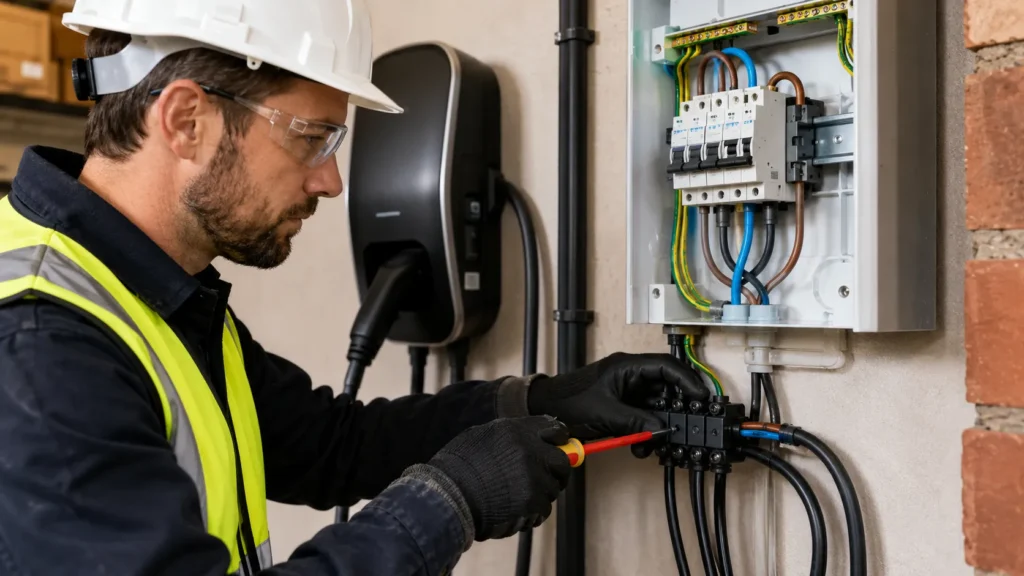
Insulation piercing connectors (IPCs) have gained significant attention lately, especially as more consumers and EV charging installers use them. This article examines how these connectors are applied in practice.
Executive Summary
Insulation piercing connectors (IPCs) were designed to provide reliable connections on overhead distribution networks and in certain consumer lighting systems. They can offer a seemingly simple and cost-effective way to connect to consumer meter tails.
However, their use must follow the relevant product and installation standards. Applying IPCs to consumer meter tails falls outside the scope of BS EN 50483-4:2009, which governs overhead distribution connectors. Until these connectors are formally tested and included in an appropriate British or Harmonized Standard, such as BS EN 61238-1-2:2019, and the long-term security of existing connections is verified, using them on the consumer side is not acceptable. Doing so creates a high risk of failure or harm and does not meet recognized standards.
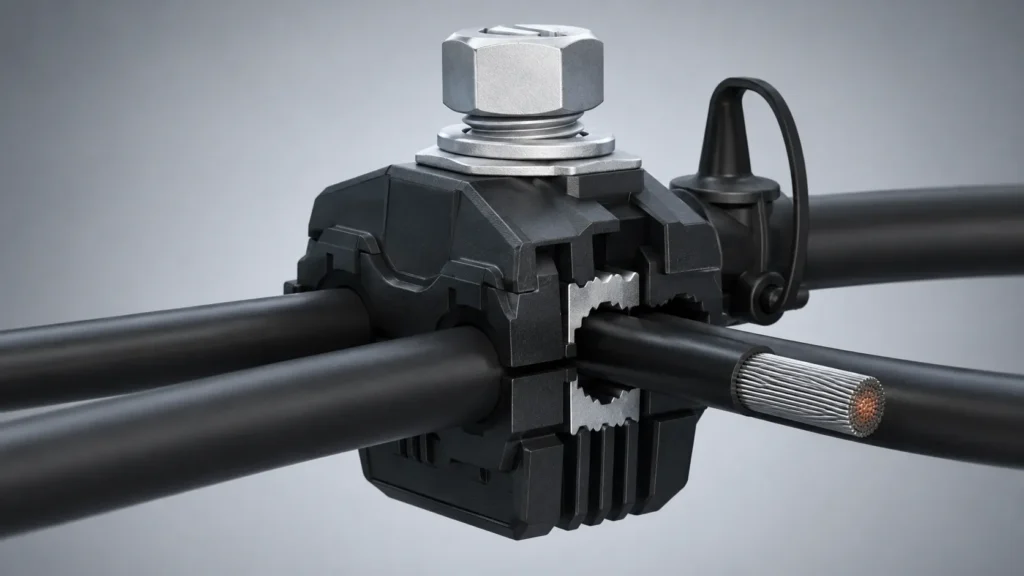
What Is an Insulation Piercing Connector?
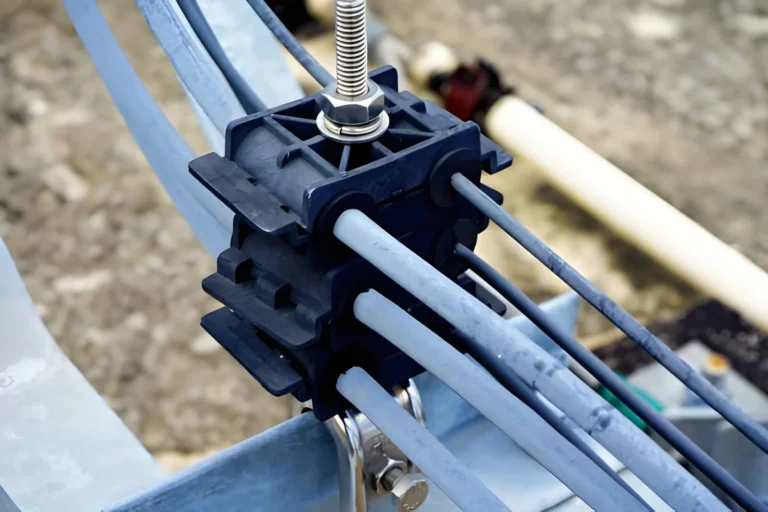
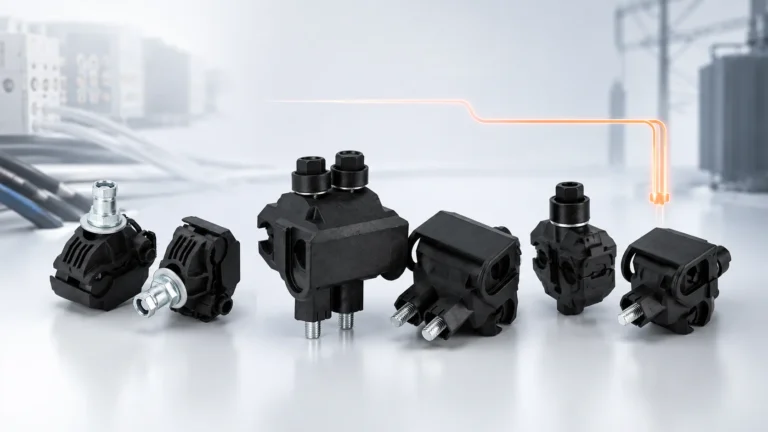
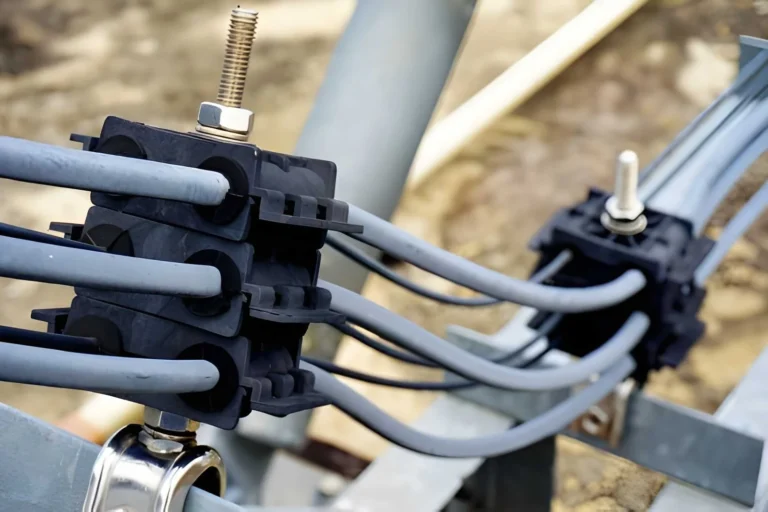
Insulation piercing connectors (IPCs) work like line taps on overhead lines, allowing a branch connection to be made without removing the cable’s insulation. They use a shear head bolt to ensure the correct torque is applied. While this technology is widely used in certain industries and across distribution networks, it is not commonly applied on the consumer side of an installation.
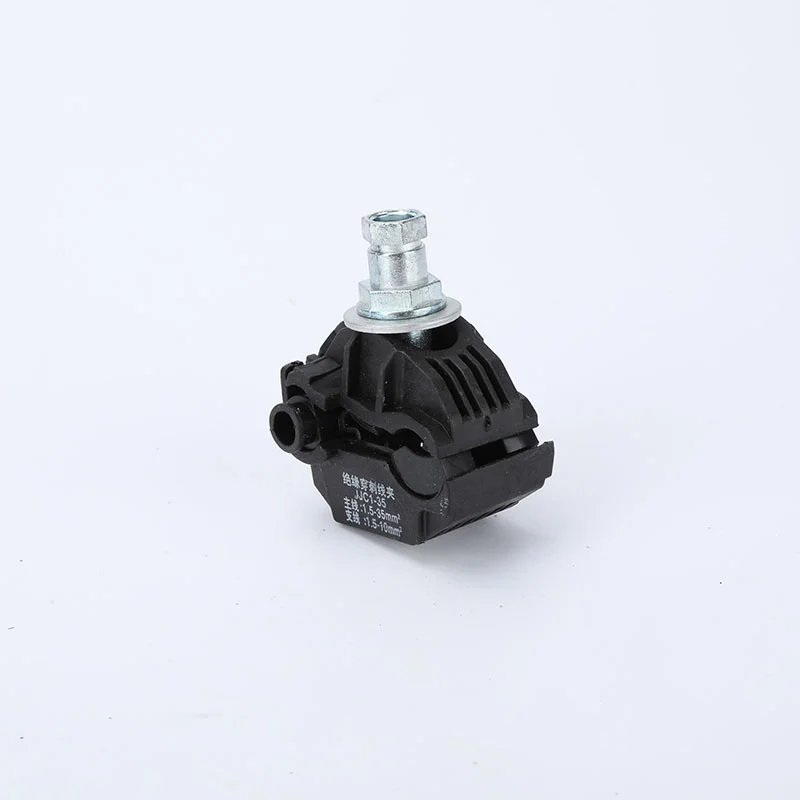
What are the requirements of BS 7671?
Regulation 133.1.1 of BS 7671:2018+A1:2020 states that all electrical equipment must meet the relevant British or Harmonized Standard. The key term is “relevant,” as IPCs are often associated with standards like BS EN 50483-4:2009, which covers low voltage aerial bundled cable accessories (Part 4: Connectors), or BS EN IEC 61238-1-2:2019.
Regulation 133.1.3 adds that if equipment is used outside its standard, the installer or designer must ensure it provides the same level of safety as compliant equipment. This decision must be documented in the appropriate electrical certification under Part 6.
Given the concerns outlined in this article, it is unlikely that a designer could justify using IPCs outside the scope of these standards. Therefore, IPCs should not be used for connections to consumer tails or any non-ABC conductors.
| Standard | Scope / Application | Notes |
|---|---|---|
| BS EN 50483-4:2009 | Connectors for ABC (aerial bundled conductors) | IPCs tested only for ABC, not PVC meter tails |
| BS EN IEC 61238-1-2:2019 | Mechanical and electrical connectors for low-voltage applications | Could be used if tested on consumer tails and meet IP4X |
| BS 7671:2018+A1:2020 | General electrical installation requirements | Equipment must comply with relevant standard; use outside scope requires justification |
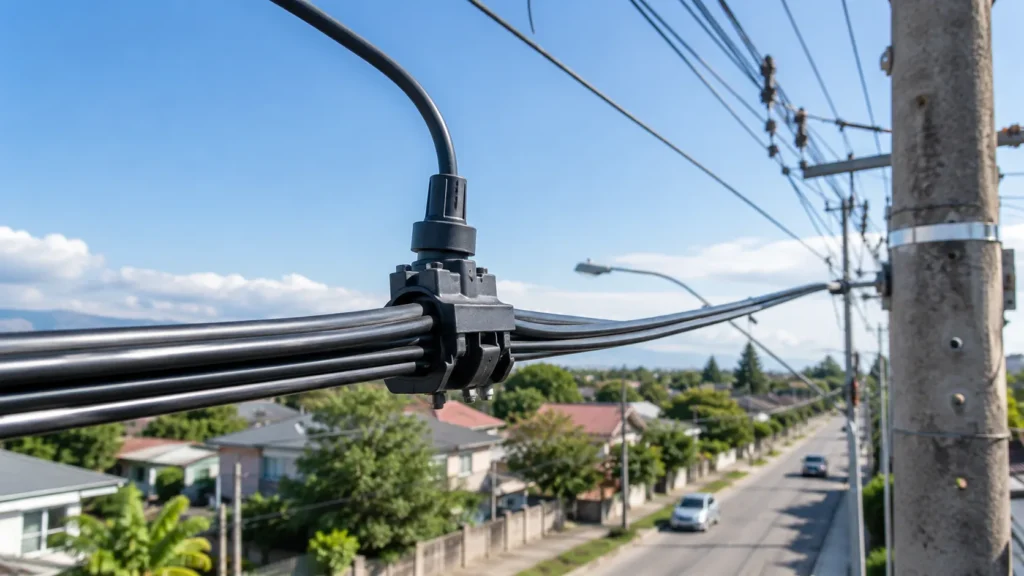
What is Aerial bundled conductor (ABC)?
Aerial bundled conductor (ABC), also called aerial bundled cable, is used for overhead power distribution. It provides greater safety, improved reliability, and lower energy losses compared with bare conductors. The relevant standard is HD 626: Overhead distribution cables of rated voltage Uo/U(Um): 0.6/1 (1.2) kV.
ABC is defined in the standard as:
“Aerial cable consisting of a group of insulated conductors twisted together, which may include a non-insulated conductor.”
Note that terms like bundled conductors, bundled cables, bundled cores, conductor bundles, and bundle are all considered equivalent to aerial bundled cable (ABC).
Are IPCs suitable for use on PVC consumer’s tails?
Electrical equipment should only be used as specified by its standard. BS EN 50483-4:2009, Part 4, applies to connectors intended for aerial bundled conductors (ABC) as defined in HD 626. PVC consumer tails, however, are made to BS 6004 (6181Y) and fall outside this scope. Therefore, IPCs designed for ABC should not be used in consumer installations, especially on PVC consumer tails.
What are the advantages of using IPC?
Using IPCs can make connections faster compared with traditional termination methods and allows work to be done without isolating the supply, which qualifies as “live working.” Those performing live work must justify it and ensure safety.
However, in many cases, the installation could be safely carried out with the supply disconnected by removing the main fuse. The challenge is often logistical—supplier parties may not provide fuse removal promptly or may charge for the service. This is a planning concern and falls under the Construction, Design and Management Regulations 2015.
What are the issues with using IPCs on consumer meter tails?
Using IPCs on consumer meter tails raises several safety and compliance concerns, as it falls outside the scope of the relevant standards and has not been tested for this application.
Material Compatibility
ABCs typically use cross-linked polyethylene (XLPE) insulation, while meter tails are made from PVC, which is thicker and has a different surface. This can prevent proper contact and connection. IPCs would need redesigning and testing to suit PVC meter tails.
Support for Terminations
Once installed, meter tail terminations are usually only supported where they enter the meter or distribution board. This allows movement and uncontrolled forces, which is poor practice. IPCs do not provide adequate support at the connection, and additional cable cleats may be needed. Even traditional terminal blocks for EV equipment can face similar stress issues if not properly supported.
Installation Method
Installing an IPC requires a specialized tool for piercing and snap-off, which applies rotational forces to the conductors. This stresses terminations at the meter and distribution board. While the installer can check meter board terminals, they cannot inspect the electricity meter terminals themselves, creating a potentially dangerous situation. For this reason, this installation method is not acceptable.
Effective Insulation
It is unclear whether the shroud covering the cut end of the new branch conductor is designed for its environment. The insulated cap that slides onto the conductor technically creates a non-sheathed cable that should meet IPXXD or IP4X protection under Regulation 521.10.1 of BS 7671:2018+A1:2020. Its durability is uncertain. Failure could expose a live conductor protected only by the main fuse (typically 100A HRC), posing a fatal risk.
While IPCs may have captive end caps, products tested only on ABC cables cannot be assumed compliant for meter tails. If such products are used, they should be tested on meter tail cable to BS EN IEC 61238-1-2 and proven to meet IP4X protection requirements.
| Issue | Cause | Risk / Impact |
|---|---|---|
| Material Compatibility | ABC uses XLPE; meter tails use PVC | Poor contact, connection failure |
| Termination Support | Terminations only supported at meter or distribution board | Movement and stress on conductors, unsafe installation |
| Installation Method | Rotational forces during piercing and snap-off | Potential damage to meter terminals, unsafe live connection |
| Effective Insulation | Shroud or cap may not meet IP4X requirements | Exposed live conductor if failure occurs, risk of electrocution |
Looking for expert guidance on safe and compliant electrical installations? Visit our homepage to explore detailed guides, tips, and professional solutions