



What are cable lugs
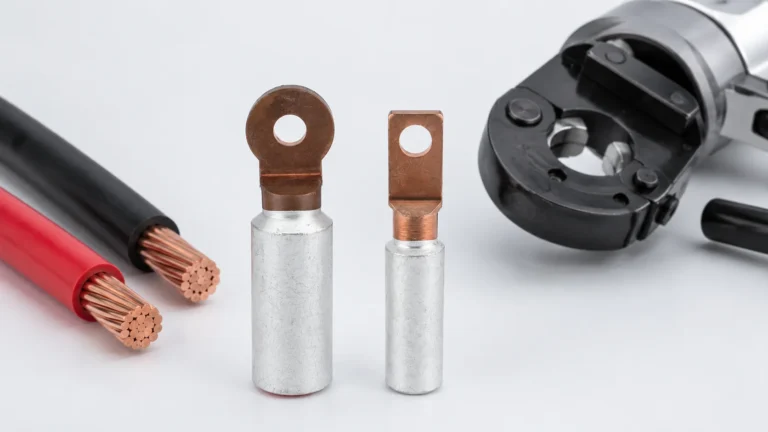
Cable lugs are essential components used in electrical systems to securely connect cables to equipment, busbars, or terminals.
For engineers, technicians, and procurement specialists involved in international projects, understanding cable lugs’ types, materials, and applications is crucial for ensuring reliable electrical connections and preventing installation failures.
This article provides an in-depth look at cable lugs, their classification, applications, and sourcing considerations for global markets.
“For more information about our full range of electrical components, visit the GGLDF homepage.”
What Are Cable Lugs and Why They Matter?
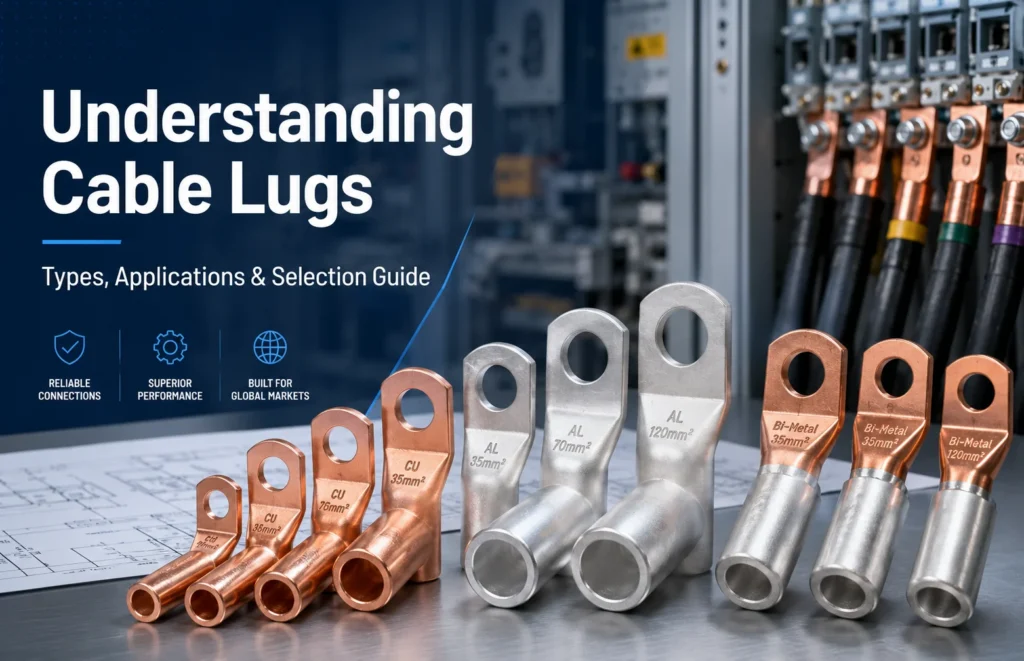
Cable lugs, also called terminal lugs, are metal connectors attached to the ends of electrical cables to provide secure, low-resistance connections. They are commonly made from copper or aluminum and designed to accommodate different cable sizes and current ratings. Selecting the right cable lug ensures safety, efficient current flow, and long-term durability in industrial and infrastructure projects.
Key Parameters:
- Material: Copper or aluminum
- Cable Size Compatibility: e.g., 10 mm², 16 mm², up to 240 mm²
- Current Rating: Depends on cable cross-section and material
- Standards Compliance: IEC or local electrical standards
| Material | Typical Current Rating | Common Applications |
|---|---|---|
| Copper | 10–400 A | Distribution panels, industrial equipment |
| Aluminum | 10–300 A | Power transmission, large-scale cabling |
Types of Cable Lugs
Cable lugs come in various types, each tailored for specific cable types and installation methods. Choosing the right type is critical for project reliability.
Common Types:
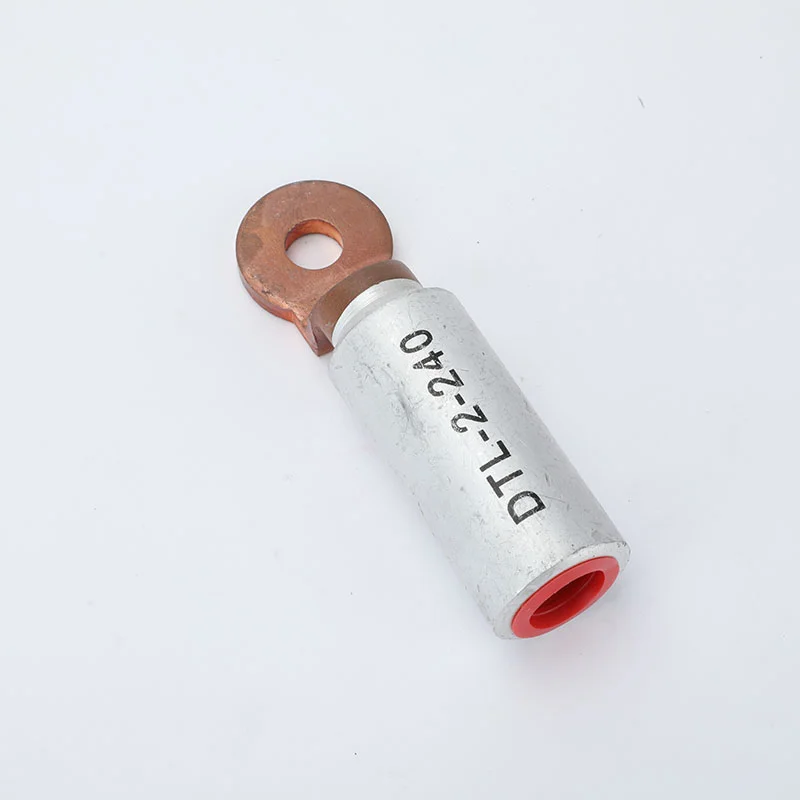
- DTL Lugs (Copper-Aluminum): Suitable for connecting copper to aluminum cables, commonly used in power distribution.
- DT Lugs: Standard copper or aluminum lugs for general cabling.
- Cold-Press Lugs: Crimped using a hydraulic or mechanical press; ideal for high-reliability industrial projects.
- Heat-Shrink Lugs: Provide insulation and protection for outdoor or corrosive environments.
Selection Tip: Consider both cable material and installation method. For example, a 10 mm² copper cable typically pairs with a cold-press copper lug for optimal conductivity.
| Type | Installation Method | Recommended Applications |
|---|---|---|
| DTL | Crimping | Copper-Aluminum connections |
| DT | Crimping | Standard industrial wiring |
| Cold-Press | Hydraulic/Mechanical Crimp | High-current installations |
| Heat-Shrink | Heat Shrink Tool | Outdoor, corrosive, or renewable energy projects |
Product Integration: For example, the DTL-2-240 Copper-Aluminum Nose Export Type is ideal for mixed-cable connections in international projects, providing a reliable and corrosion-resistant solution.
Comparing Cable Lugs and Cable Glands
Cable lugs and cable glands are often confused but serve different purposes. While lugs focus on electrical connectivity, cable glands secure cables and provide environmental protection.
Key Differences:
| Feature | Cable Lugs | Cable Glands |
|---|---|---|
| Function | Electrical connection | Mechanical cable retention and sealing |
| Installation | Crimped or compressed | Screwed and sealed |
| Typical Use | Panels, equipment, busbars | Outdoor cabling, industrial enclosures |
Understanding the distinction is vital when planning projects to ensure both electrical reliability and cable integrity.
dvantages of Cable Lugs
Using cable lugs provides several advantages in electrical and industrial projects:
- Reliable Electrical Connection: Minimizes resistance and voltage drop.
- Ease of Installation: Crimping or heat-shrink methods simplify field work.
- Versatility: Compatible with various cable sizes and materials.
- Durability: Resistant to vibration and thermal cycling when properly installed.
These benefits make cable lugs indispensable for electrical panels, industrial machinery, renewable energy installations, and large-scale infrastructure projects.
Applications of Cable Lugs in Global Projects
Cable lugs are widely applied in multiple B2B scenarios:
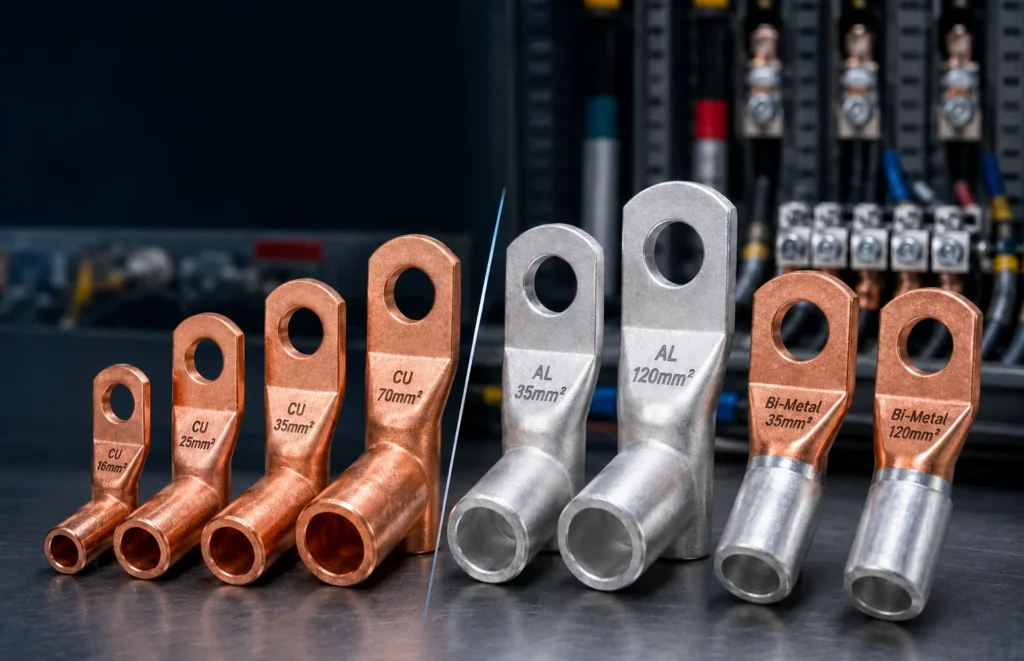
- Electrical Distribution Panels: Secure connections between busbars and incoming/outgoing cables.
- Industrial Equipment Wiring: Machinery and control systems requiring high-reliability connections.
- Renewable Energy Projects: Solar and wind installations where corrosion resistance and long-term performance are crucial.
- International Engineering Projects: Exported systems to Africa, Middle East, Central Asia, Europe, and South America, where standardized, reliable connections are essential.
| Application | Recommended Type | Material |
|---|---|---|
| Distribution Panels | DT / DTL | Copper or Aluminum |
| Industrial Equipment | Cold-Press | Copper |
| Renewable Energy | Heat-Shrink | Copper/Aluminum |
| Overseas Installations | DTL | Copper-Aluminum |
Product Integration Tip: Discussing specific scenarios like mixed-cable connections naturally allows mentioning products like the DTL-2-240 Copper-Aluminum Nose Export Type as solutions for global projects.
Sourcing Cable Lugs: Supplier and Pricing Insights
When sourcing cable lugs for international projects, consider:
- Supplier Reliability: Prefer manufacturers with ISO/IEC certifications.
- Price Benchmarks: Europe prices can guide budgeting for export projects.
- Specifications Matching: Ensure lugs meet project cable types and current ratings.
| Region | Average Price (per unit) | Notes |
|---|---|---|
| Europe | €0.50–€5.00 | Based on material and size |
| Middle East | $0.45–$4.50 | Import duties vary |
| Africa | $0.40–$4.00 | Delivery times may differ |
| South America | $0.50–$5.50 | Quality compliance required |
Using a direct factory supplier like GGLDF ensures consistency, quality, and competitive pricing for overseas B2B clients.
CTA : For reliable international projects, check our Cable Lugs product range or contact our technical team to confirm sizing and suitability for your specific application.
FAQ
What are the different types of Cable Lugs and their uses?
Types include DTL, DT, cold-press, and heat-shrink lugs. Each type suits specific cable materials and installation methods, from industrial machinery to renewable energy projects.
How to select the correct size Cable Lug for 10 mm cables?
Match the lug’s cable size rating with the cable cross-section. For a 10 mm² copper cable, a compatible cold-press copper lug ensures proper conductivity.
What are the differences between copper and aluminum Cable Lugs?
Copper lugs offer higher conductivity and corrosion resistance, ideal for precise electrical installations. Aluminum lugs are lighter and cost-effective for large-scale cabling.
Cable Lugs vs Cable Glands: when to use each?
Use cable lugs for secure electrical connections and cable glands to protect and seal cables in enclosures or harsh environments.
Where to source reliable Cable Lugs suppliers globally?
Choose certified manufacturers like GGLDF, which offer export-ready products and compliance with international standards.
How do Cable Lugs affect the safety and efficiency of electrical projects?
Correctly selected lugs ensure low resistance connections, reduce overheating risk, and improve system reliability in industrial and international projects.